grid@msca:~$ staff-exchanges_
Geotechnical Resilience via Intelligent Design
Bridging geotechnical engineering and Interpretable AI to secure the infrastructure of tomorrow.


Bridging geotechnical engineering and Interpretable AI to secure the infrastructure of tomorrow.
// about
Geotechnical engineering faces uncertainty, heterogeneity and nonlinearity — compounded by climate change. GRID (Geotechnical Resilience through Intelligent Design) integrates physics and machine learning to design resilient infrastructure and run effective risk assessments.
// news
// Milestones, events, and latest breakthroughs from the GRID consortium.
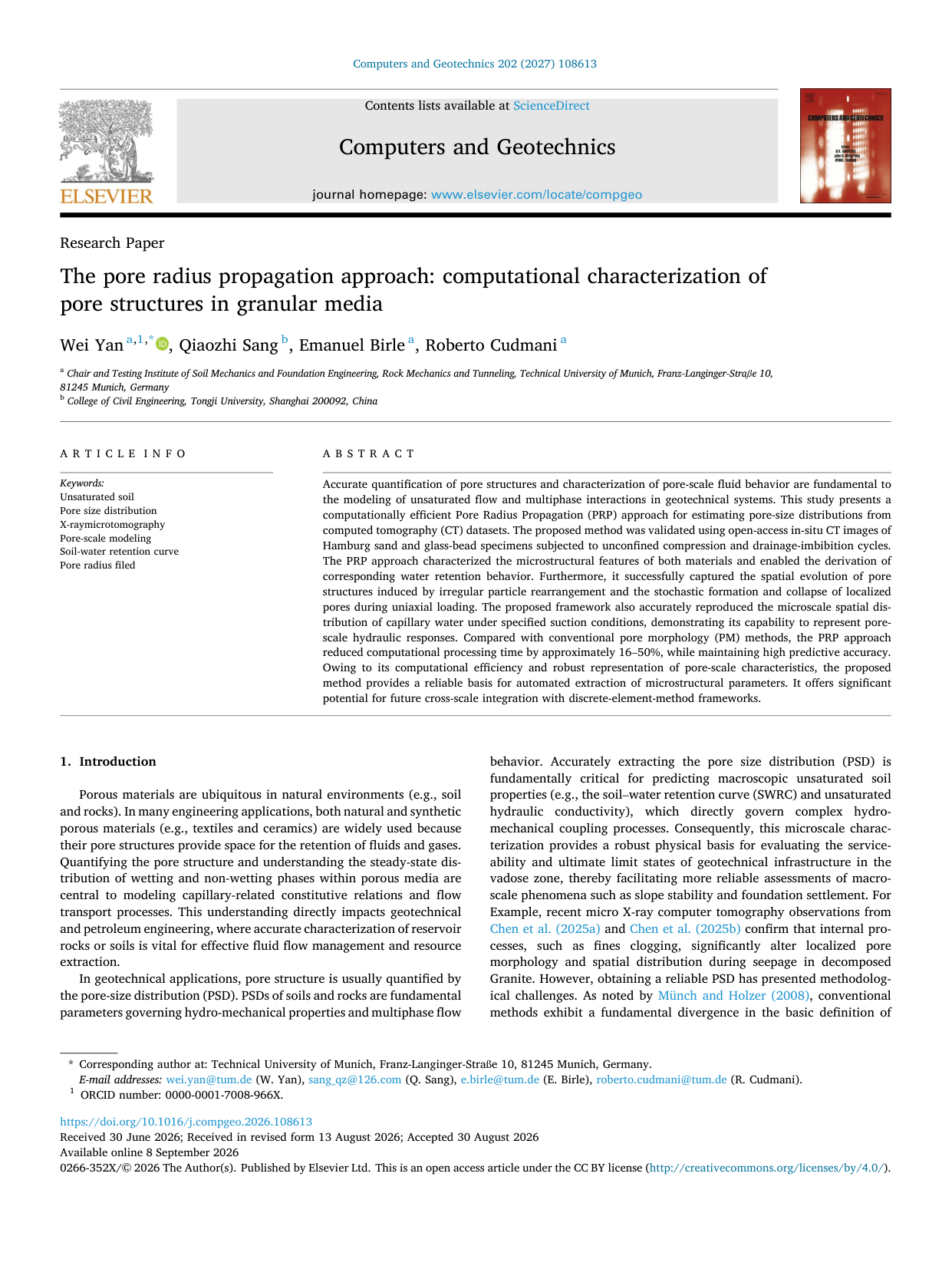
A new GRID-affiliated paper in Computers and Geotechnics introduces the Pore Radius Propagation (PRP) approach — a computationally efficient method to estimate pore-size distributions from computed tomography (CT) datasets. Roberto Cudmani and colleagues at TUM, with Tongji University, validated it on open-access in-situ CT images of Hamburg sand and glass beads under unconfined compression and drainage–imbibition cycles, deriving water-retention behaviour and capturing the spatial evolution of pore structures under loading.
The framework also reproduced the microscale spatial distribution of capillary water under controlled suction, and cut processing time by ~16–50% versus conventional pore-morphology methods while keeping high predictive accuracy — a reliable basis for automated extraction of microstructural parameters.
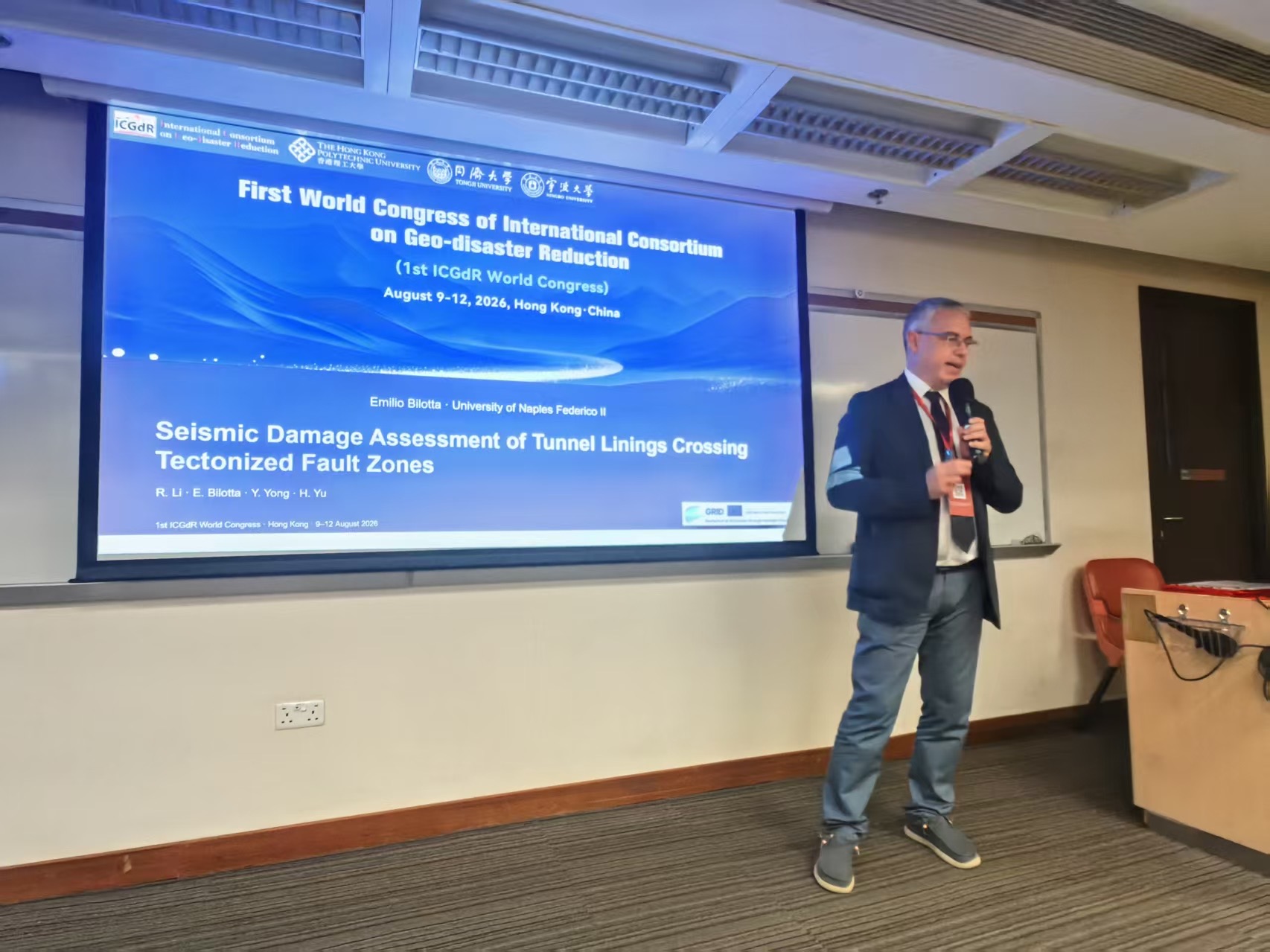
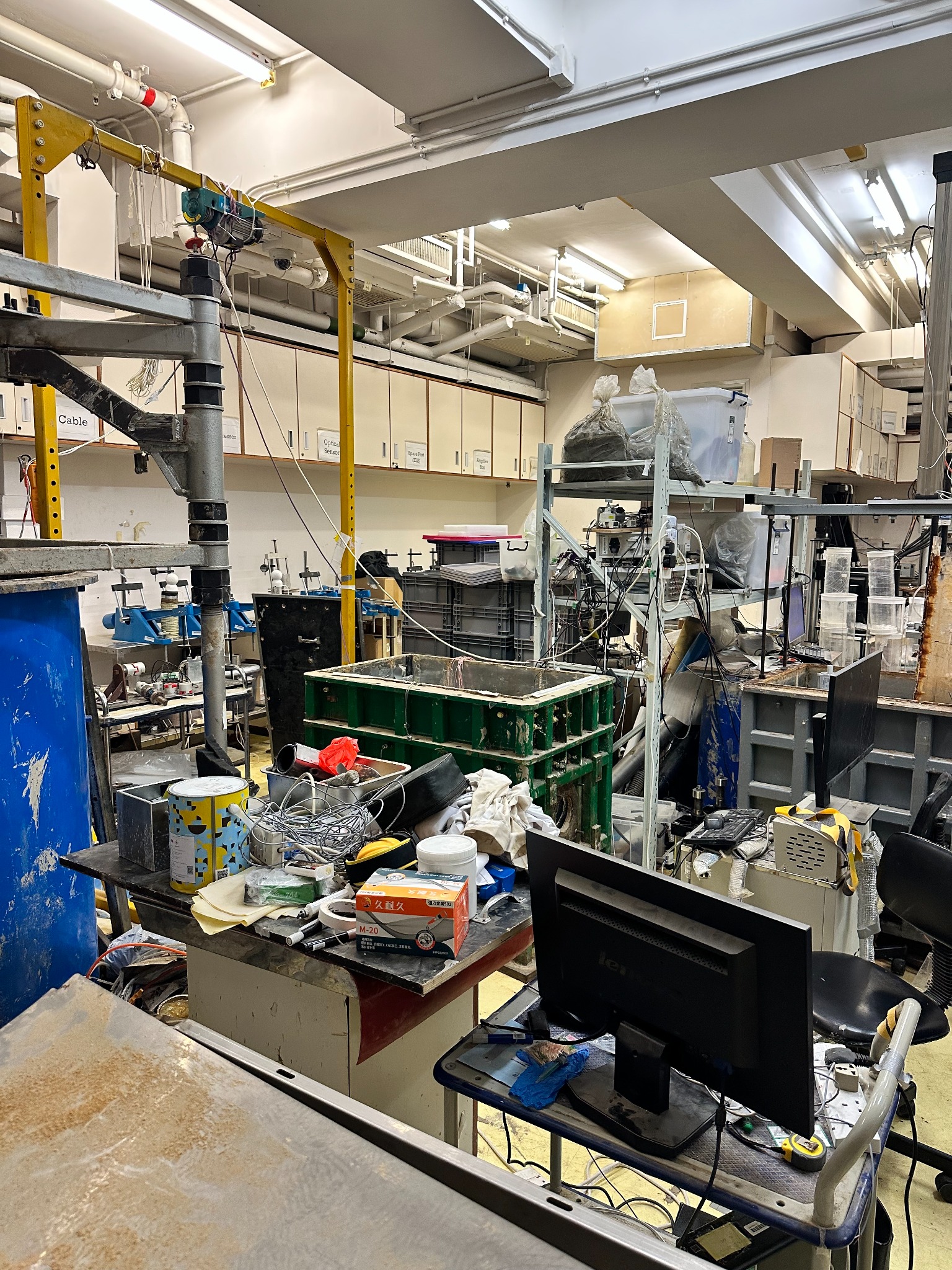
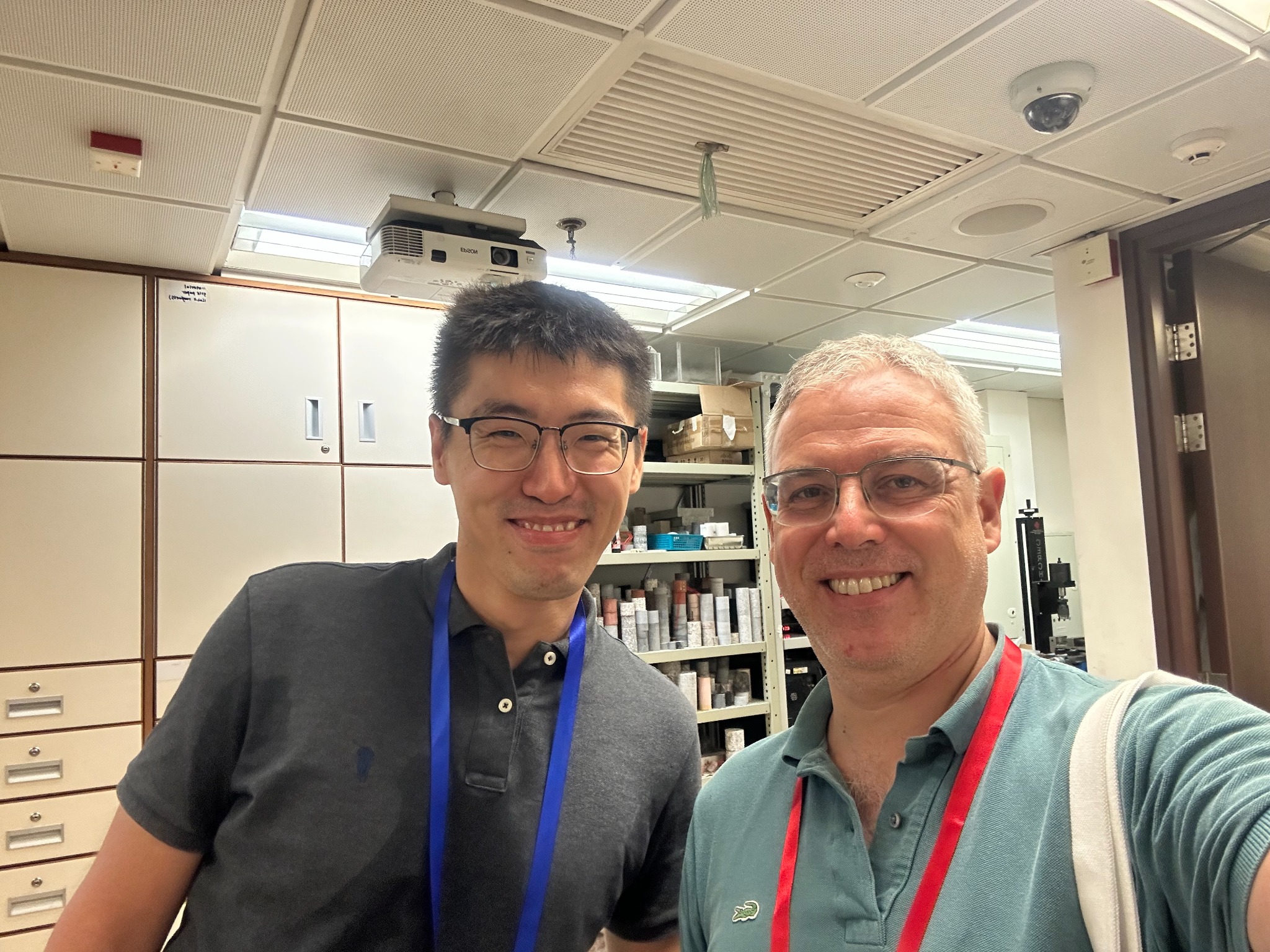
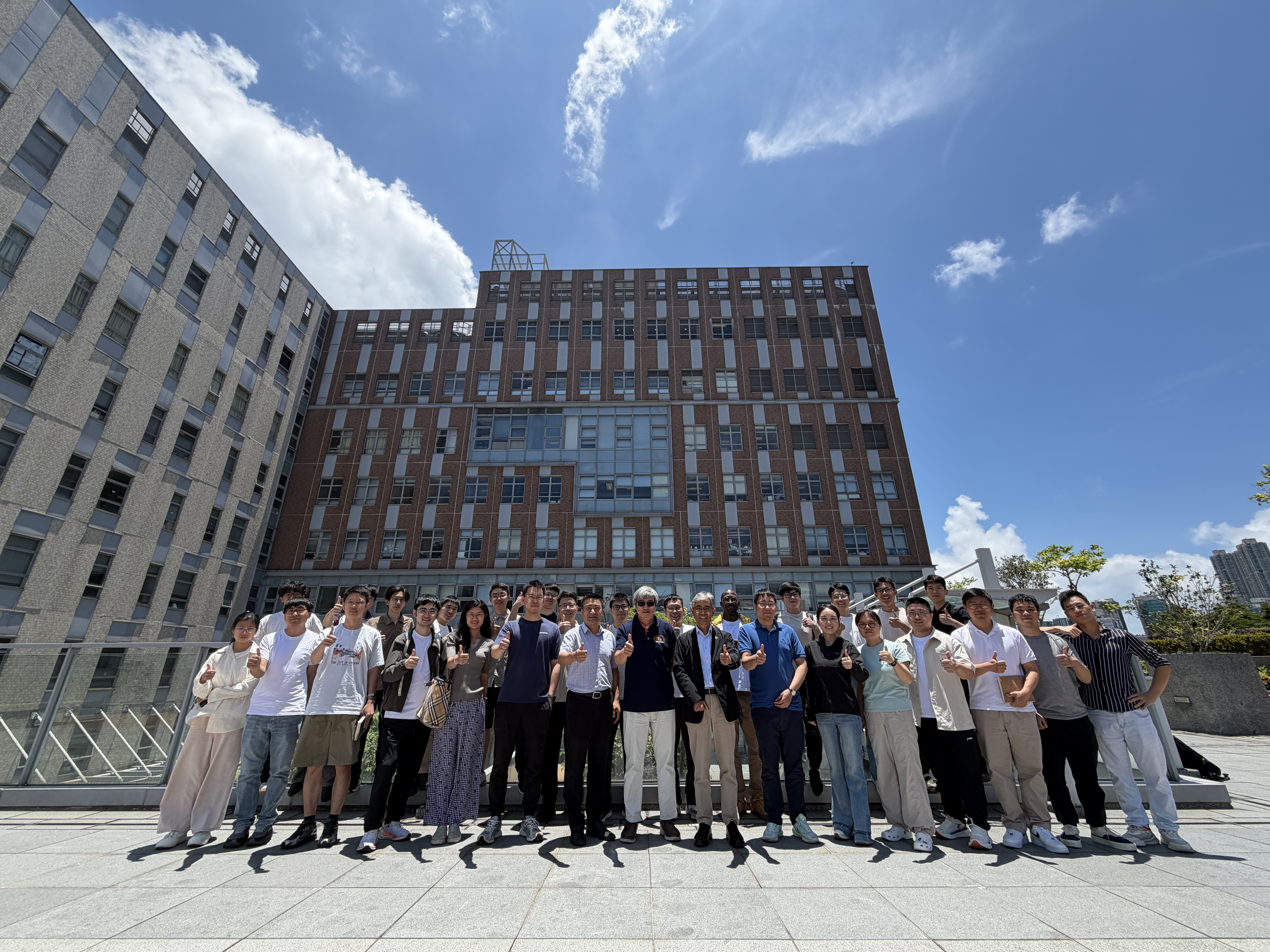
From 8 to 13 August 2026, Emilio Bilotta (University of Naples Federico II) carried out a GRID secondment at The Hong Kong Polytechnic University, hosted by Prof. Zhen-Yu Yin, embedded in the First ICGdR World Congress on Geo-disaster Reduction. He delivered a keynote on earthquake-induced damage to tunnel linings in tectonically active zones, co-chaired Session 7, and visited PolyU’s geotechnical laboratories.
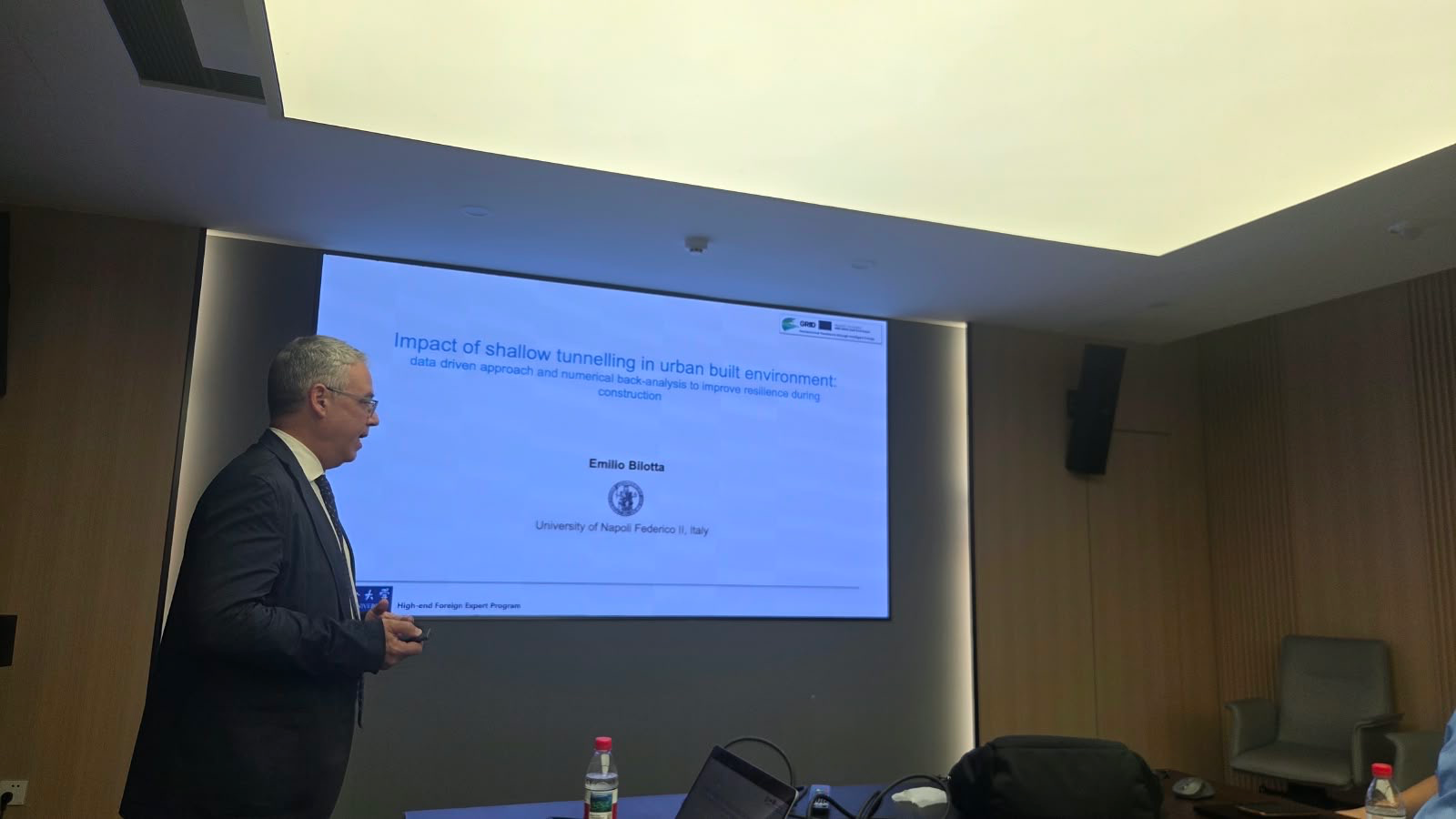
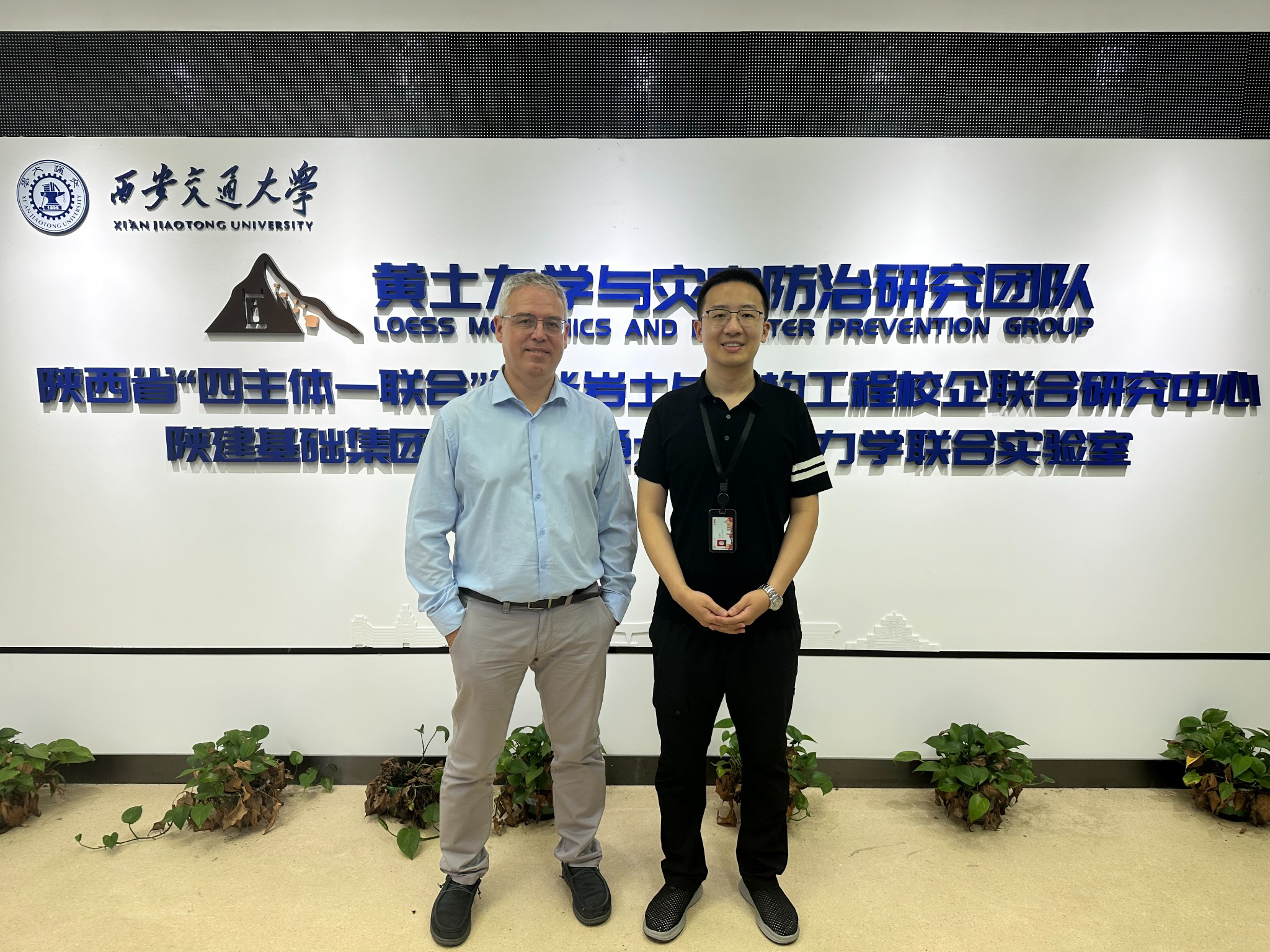
A follow-on four-week secondment at Tongji University (15 Aug – 9 Sep) focused on shallow tunnelling in dense urban environments and monitoring-informed numerical back-analysis, extending a deterministic framework towards physics-informed Bayesian updating and a path to probabilistic digital twins for underground construction. Through Tongji’s High-End Foreign Expert Program the visit also reached Guizhou, Chongqing Jiaotong, Xi’an Jiaotong and Beijing University of Technology, concluding with a seminar at Tongji alongside Prof. Dongming Zhang and colleagues.
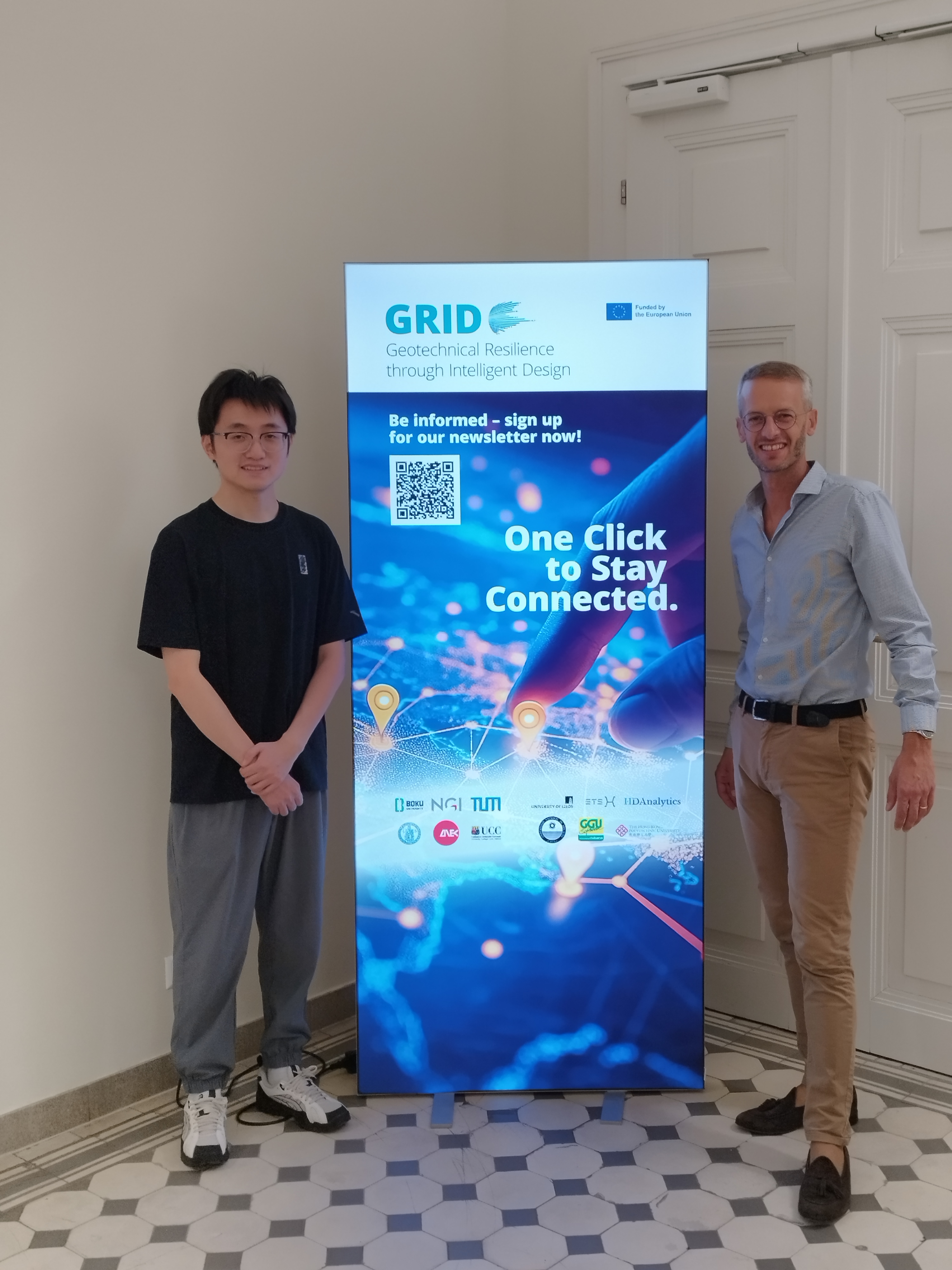
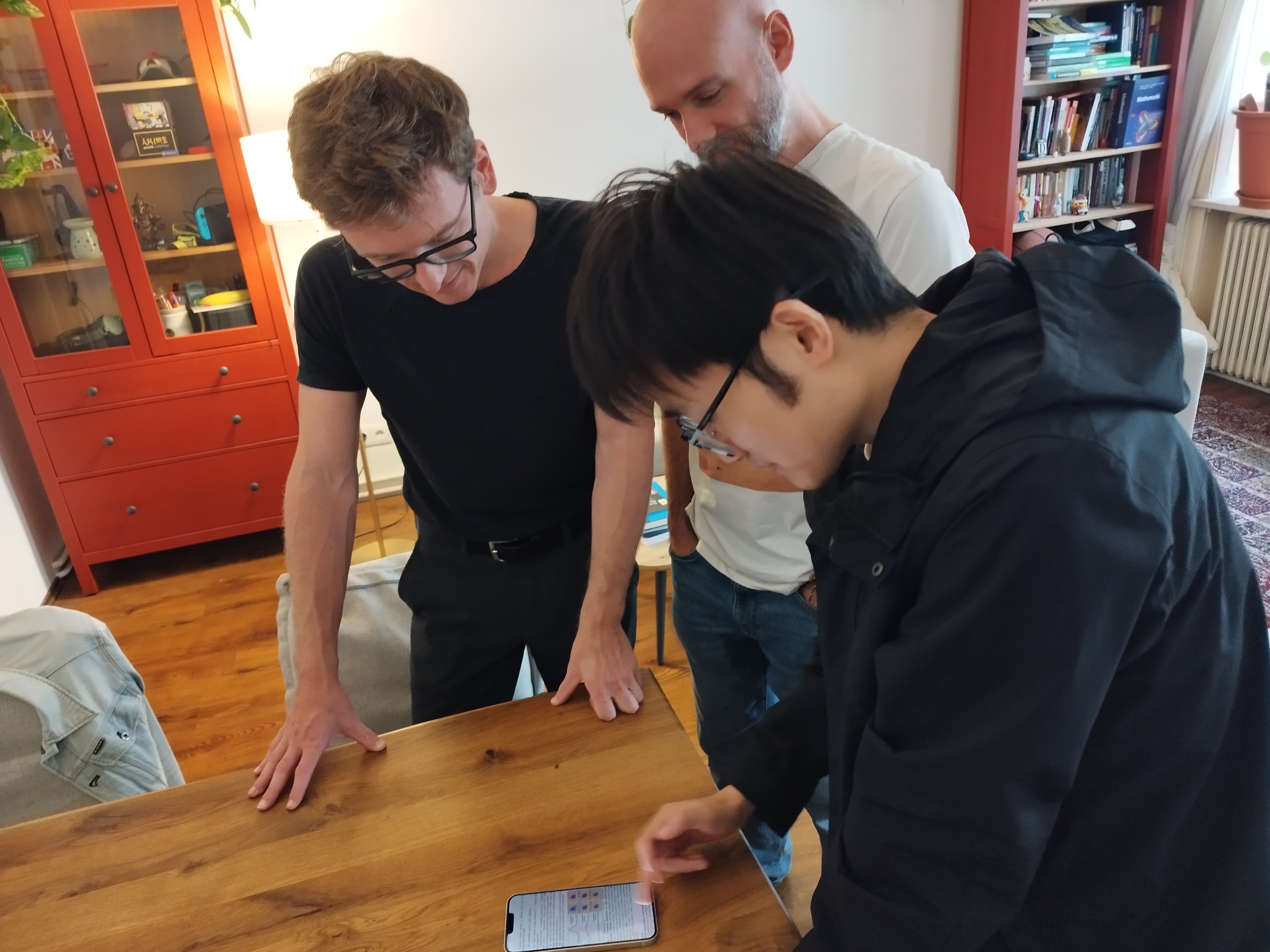
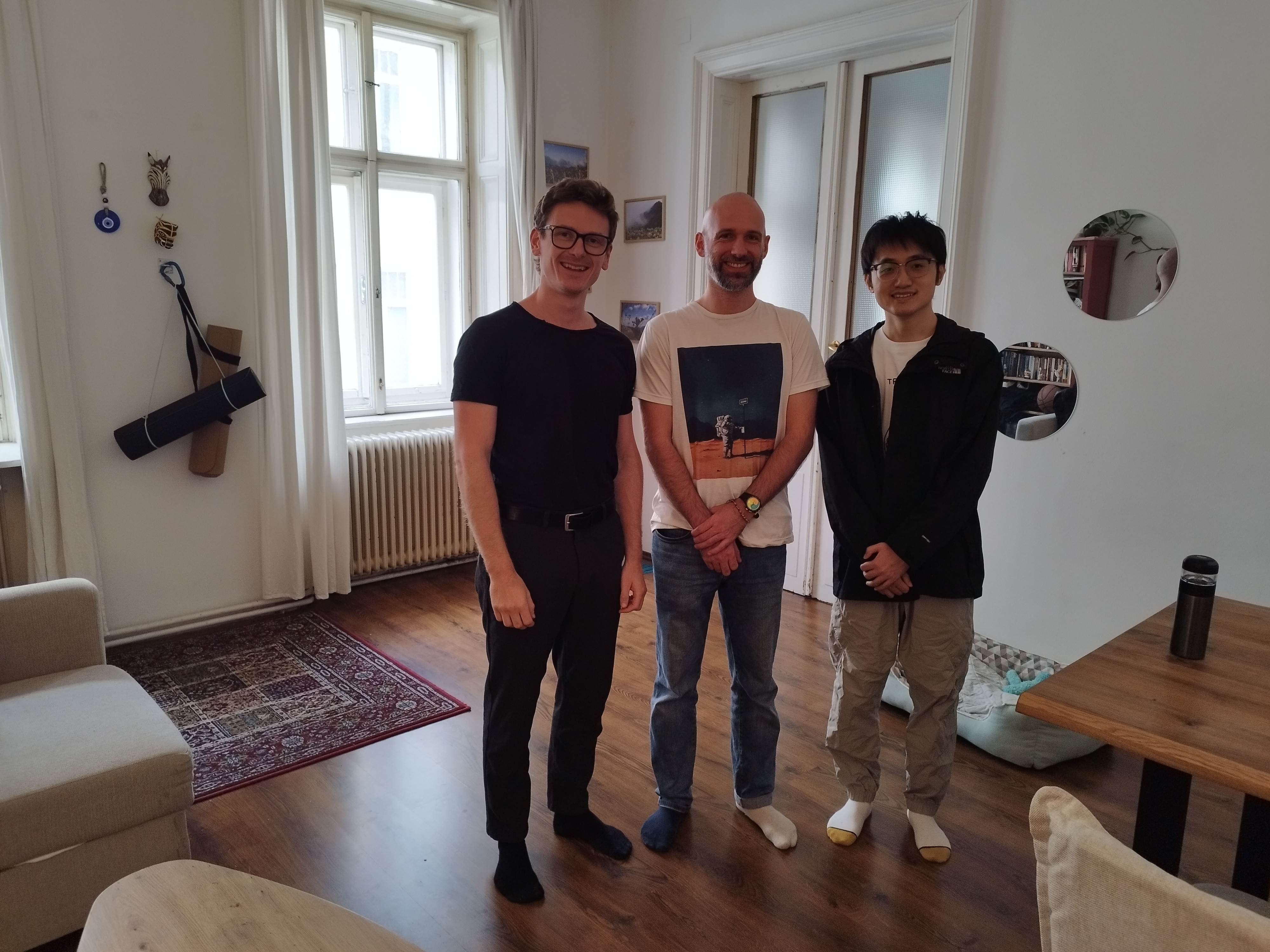
Lei Chen from the University of Leeds began a three-month secondment at BOKU and HDAnalytics, building on his research Machine learning revealing changes in the seasonality structure of global lakes. The visit examines how climate change reorganizes the seasonal dynamics of global lakes and how machine learning can reveal the dominant drivers of these changes.
The work assesses global patterns and long-term changes in lake seasonality structure (LSS) from 2001–2023 by linking satellite-derived lake observations with lake ice, hydrological extremes, climate forcing and lake-property data. Over three months it moves from data preparation and framing, to a global assessment of LSS changes — with focus on lake ice in high-latitude regions and hydrological extremes in ice-free regions — to an interpretable machine learning model quantifying the relative importance of climatic, hydrological and lake-specific controls. Expected outputs include a harmonized global dataset, a global LSS assessment, an interpretable ML model, and a draft manuscript.
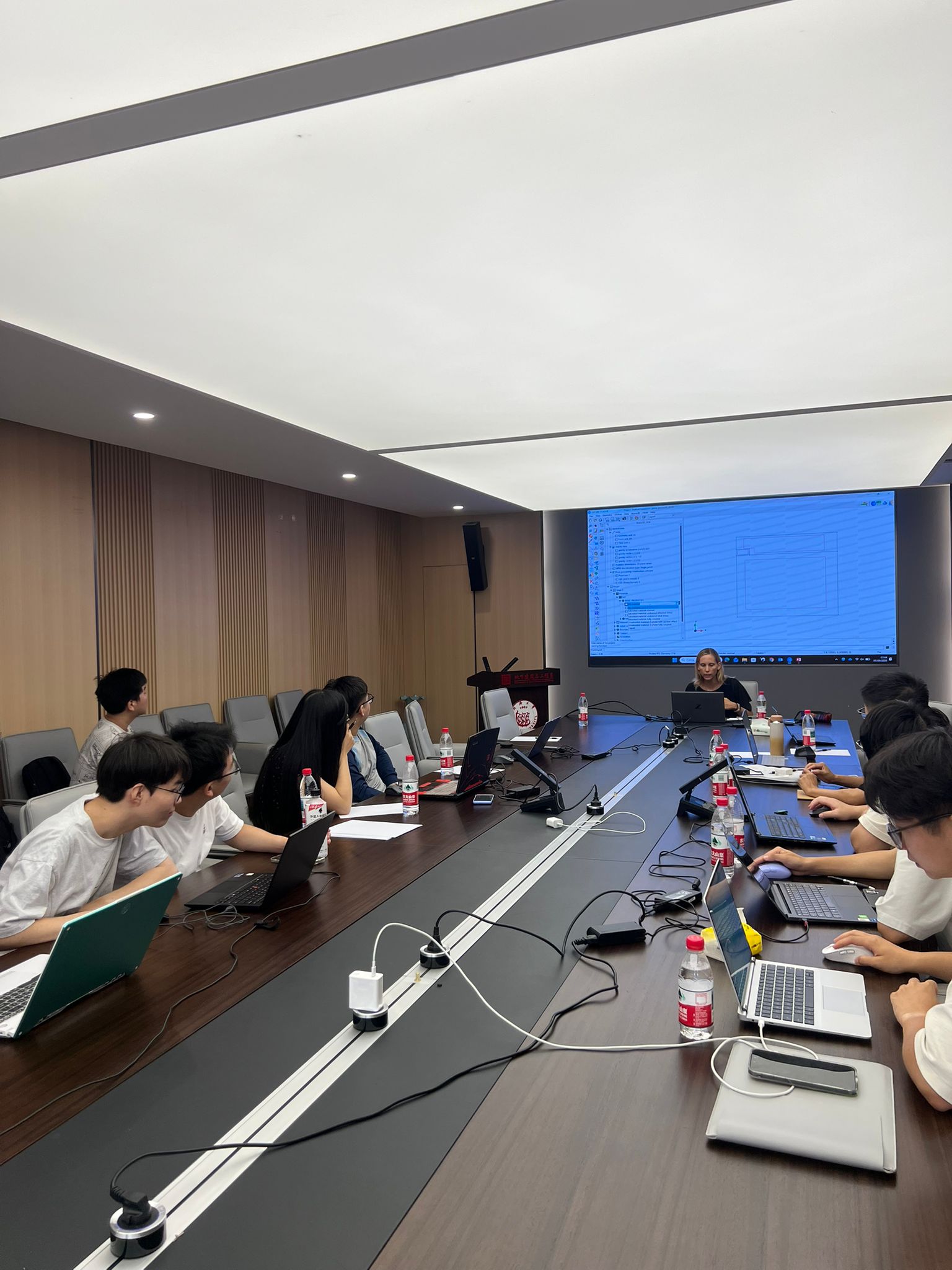
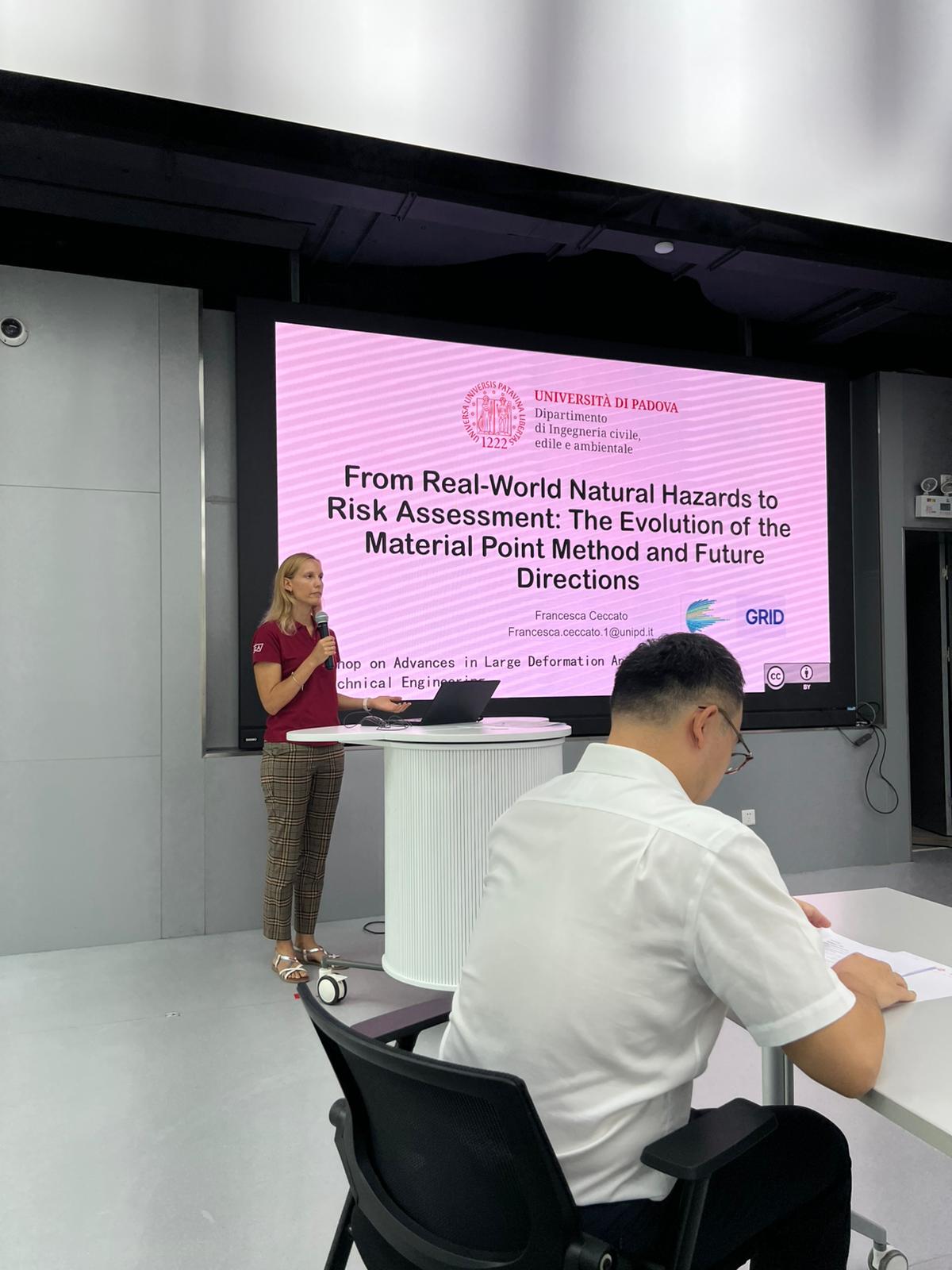
Prof. Francesca Ceccato and PhD candidate Xinglai Sun from the University of Padua — a new beneficiary of the GRID project — completed their secondment at Tongji University in Shanghai.
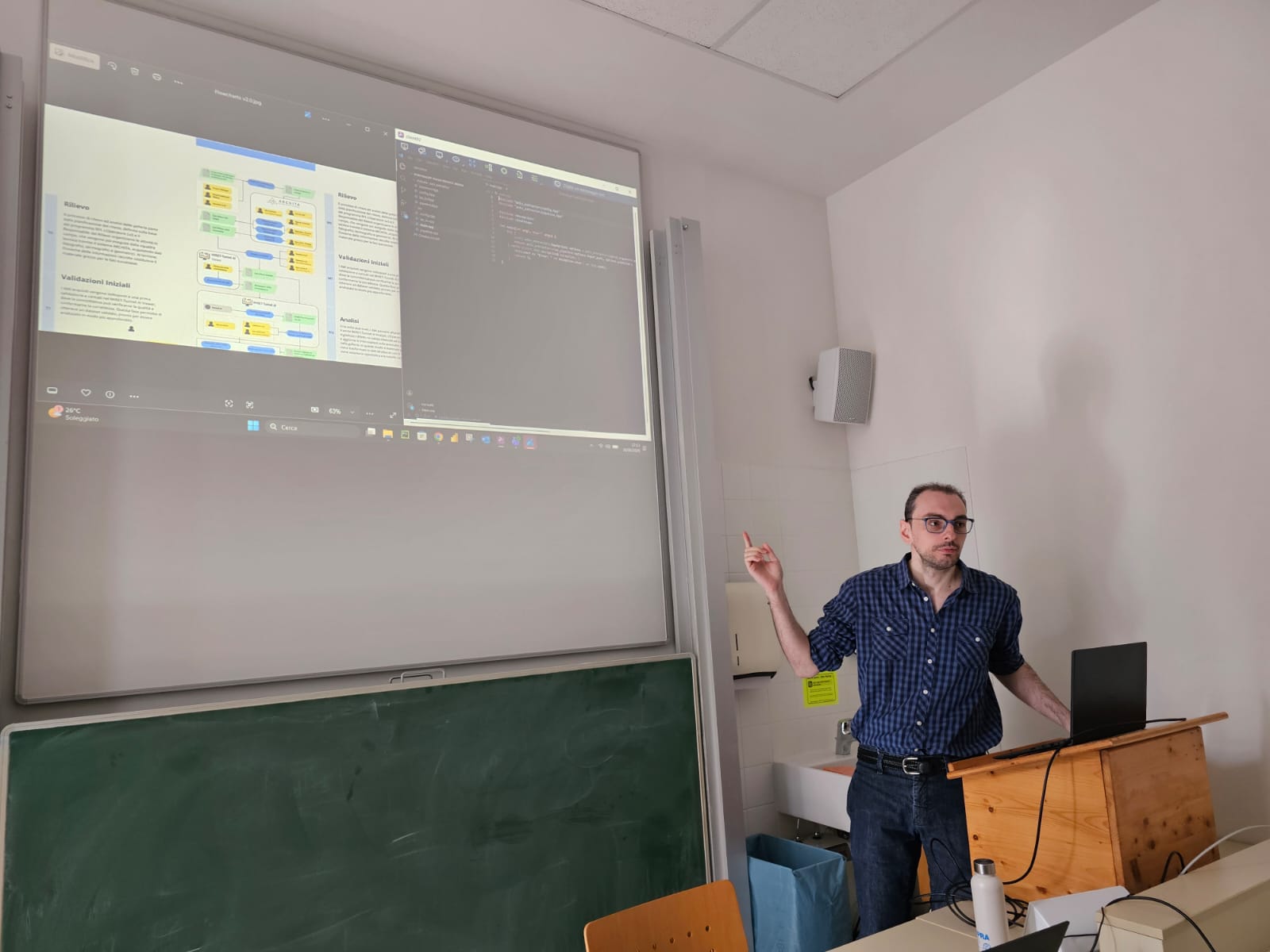
During the visit, Francesca delivered presentations on advanced geotechnical modelling and machine-learning algorithms for geohazard assessment and mitigation, and taught a hands-on course on Anura3D to Tongji’s doctoral students. The secondment sparked valuable exchanges on integrating advanced numerical modelling with artificial intelligence.
This collaboration strengthens the links between GRID’s European and Asian partners and supports innovative tools for geotechnical risk assessment and resilient design. Special thanks to Prof. Dongming Zhang, Prof. Jie Zhang, Prof. Mingliang Zhou and Dr Meng Lu for their warm welcome and stimulating scientific discussions.
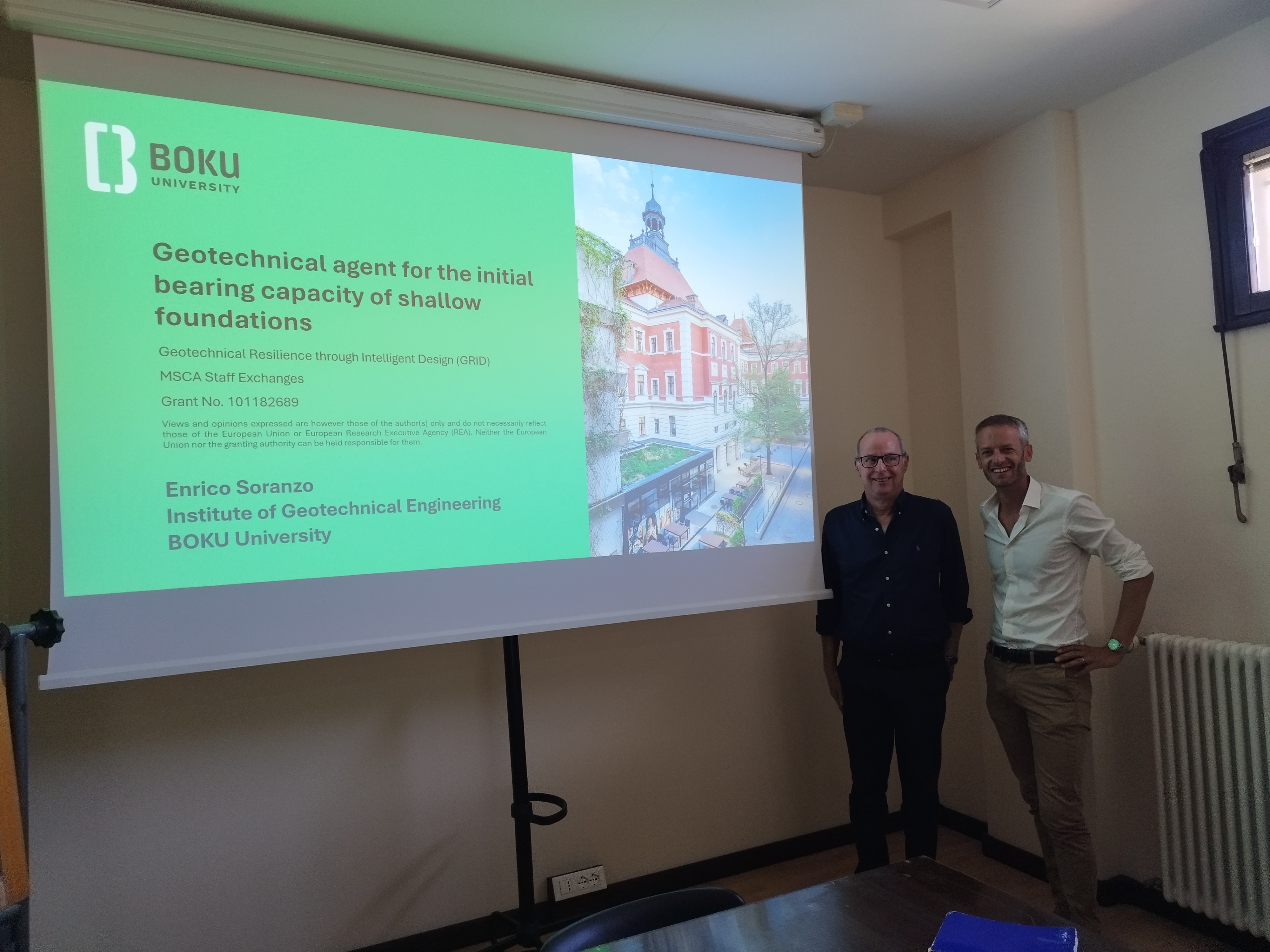
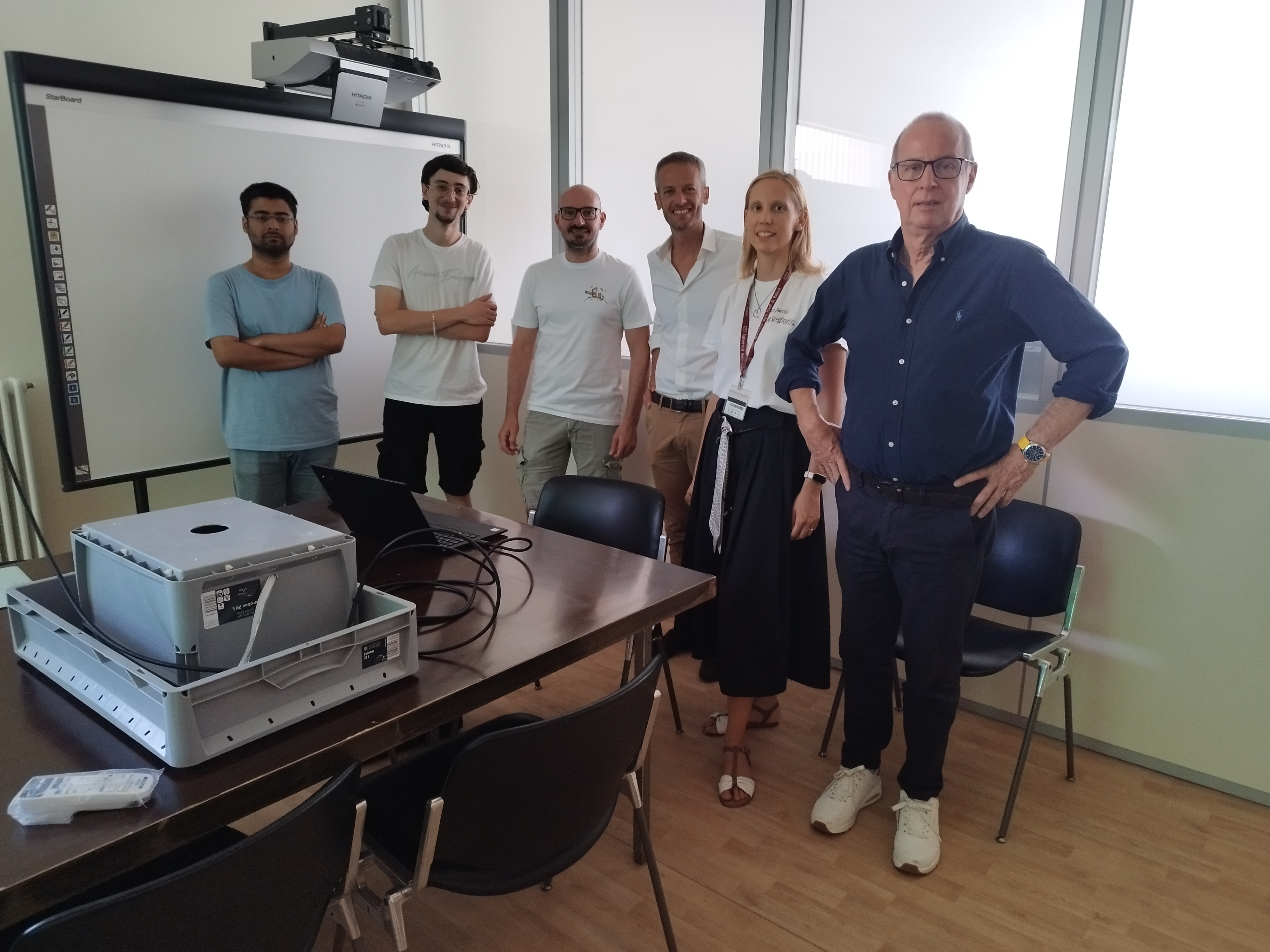
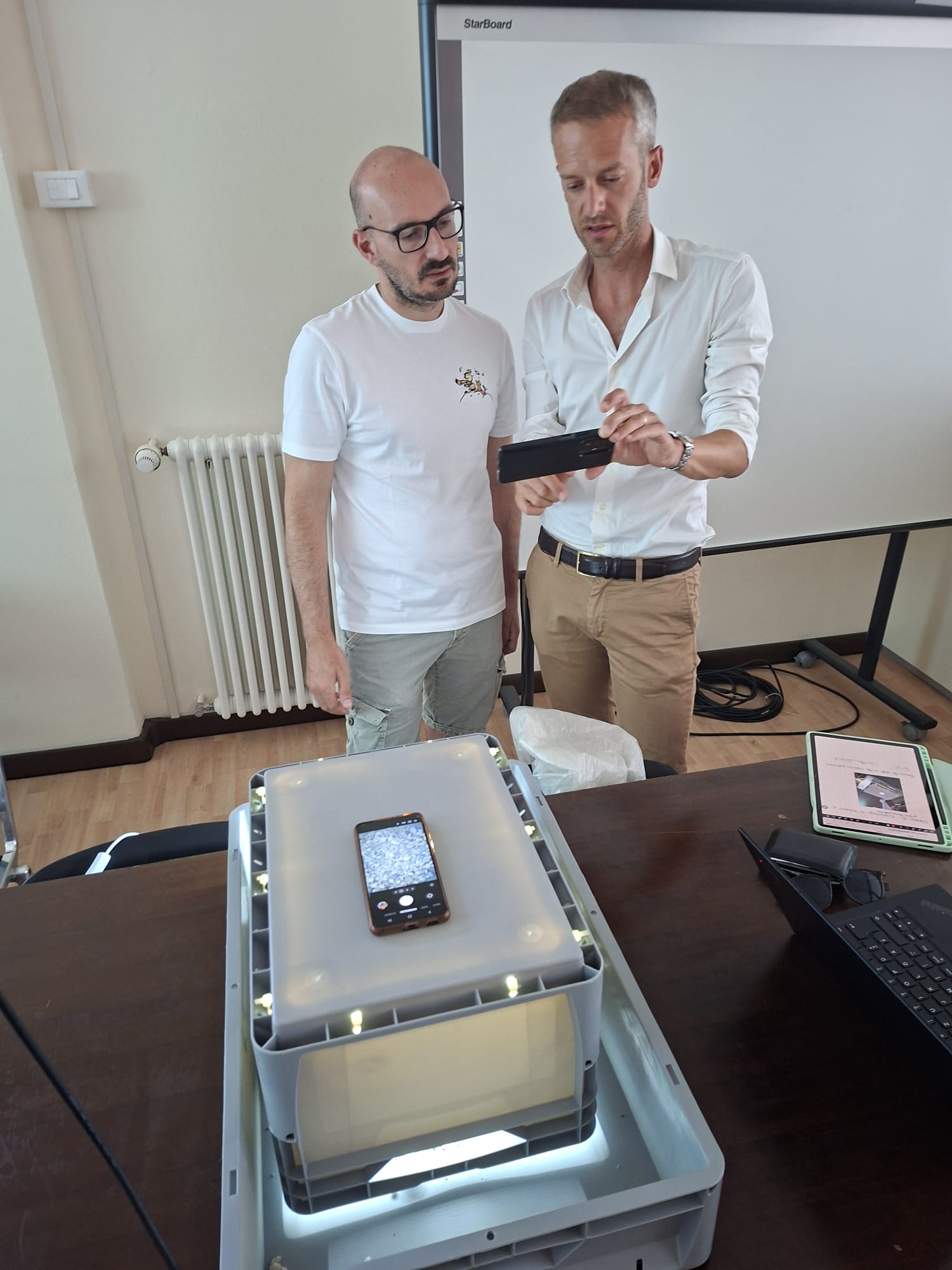
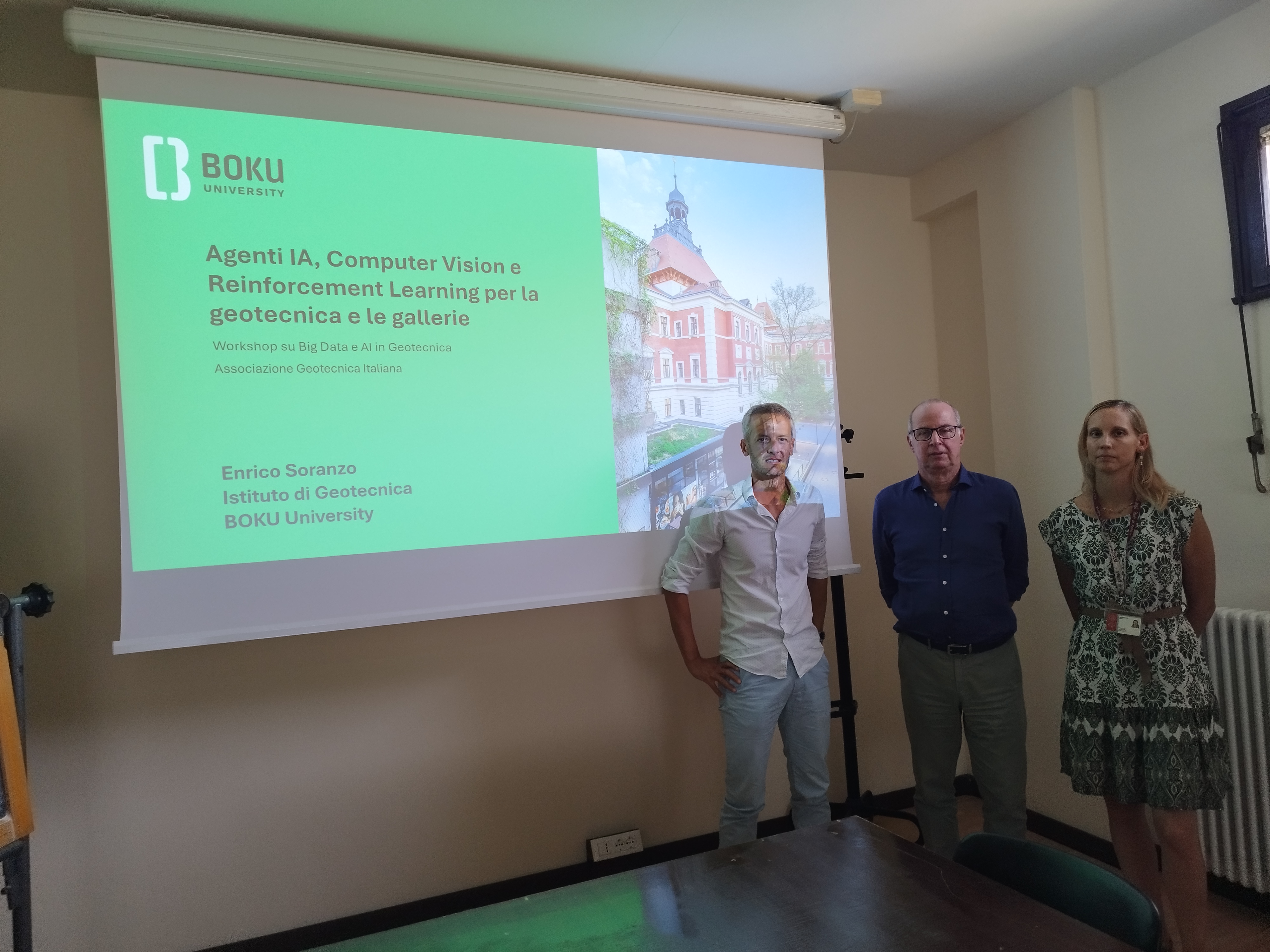
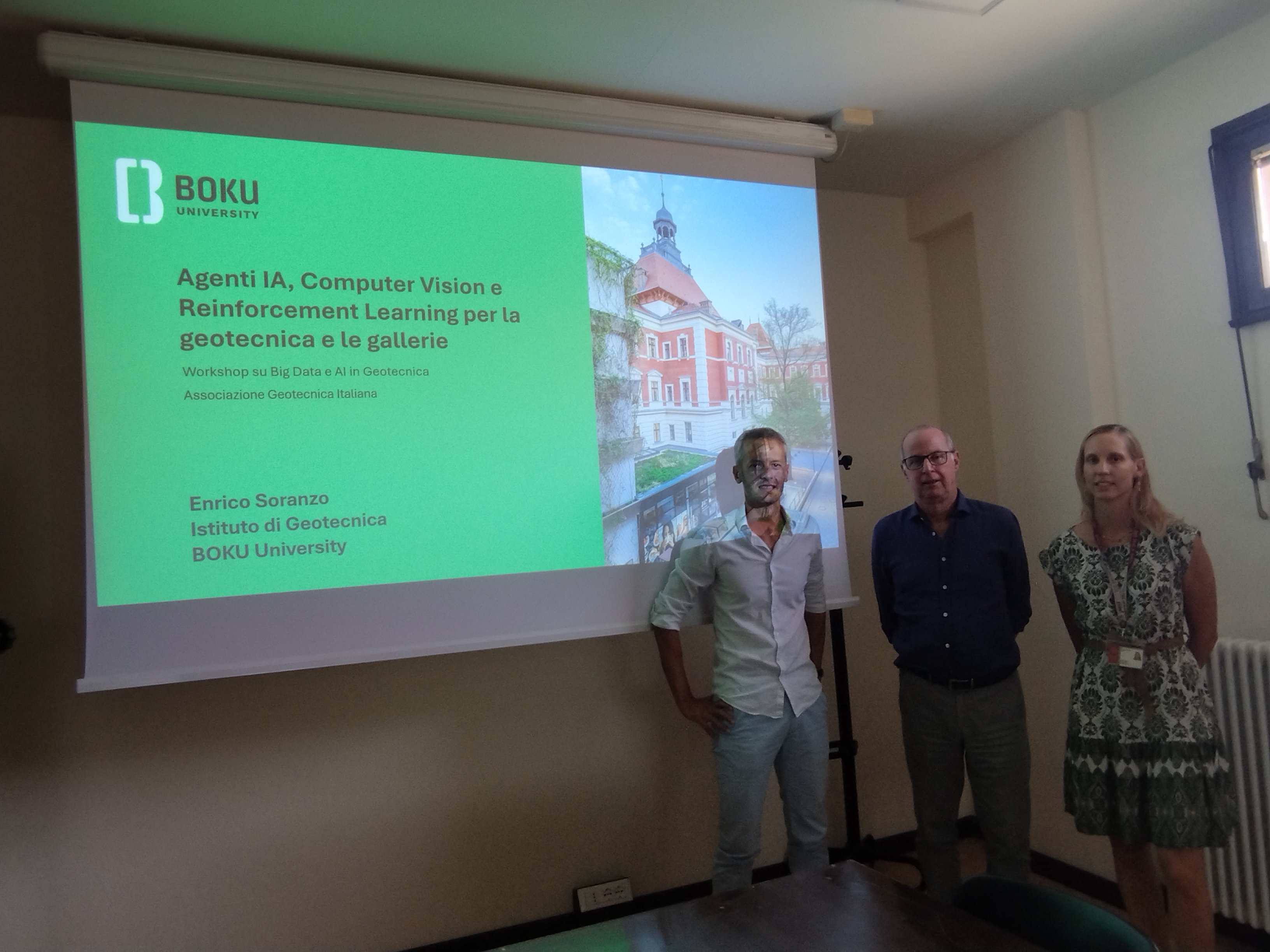
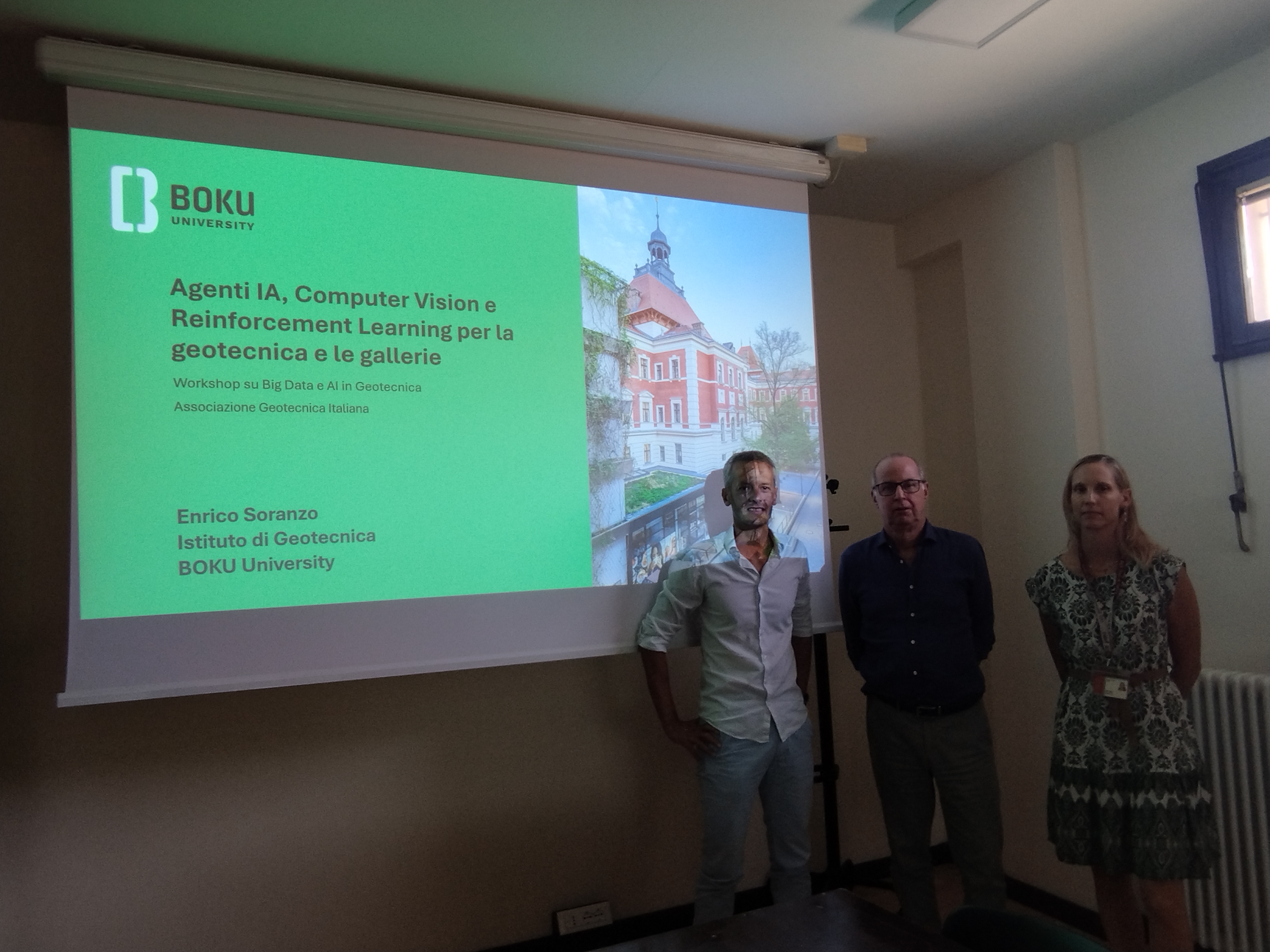
Project coordinator Enrico Soranzo (BOKU) was seconded to UniSafe, hosted by Prof. Paolo Simonini, and met with the UniPD team of Prof. Francesca Ceccato. A follow-up visit on August 28 featured a talk on AI agents for geotechnics, alongside GGU Connect/grai access management, Kaggle competition coordination, GAMD funds transfer, a Baugrundtagung talk in Leipzig, and thesis supervision & publication work.
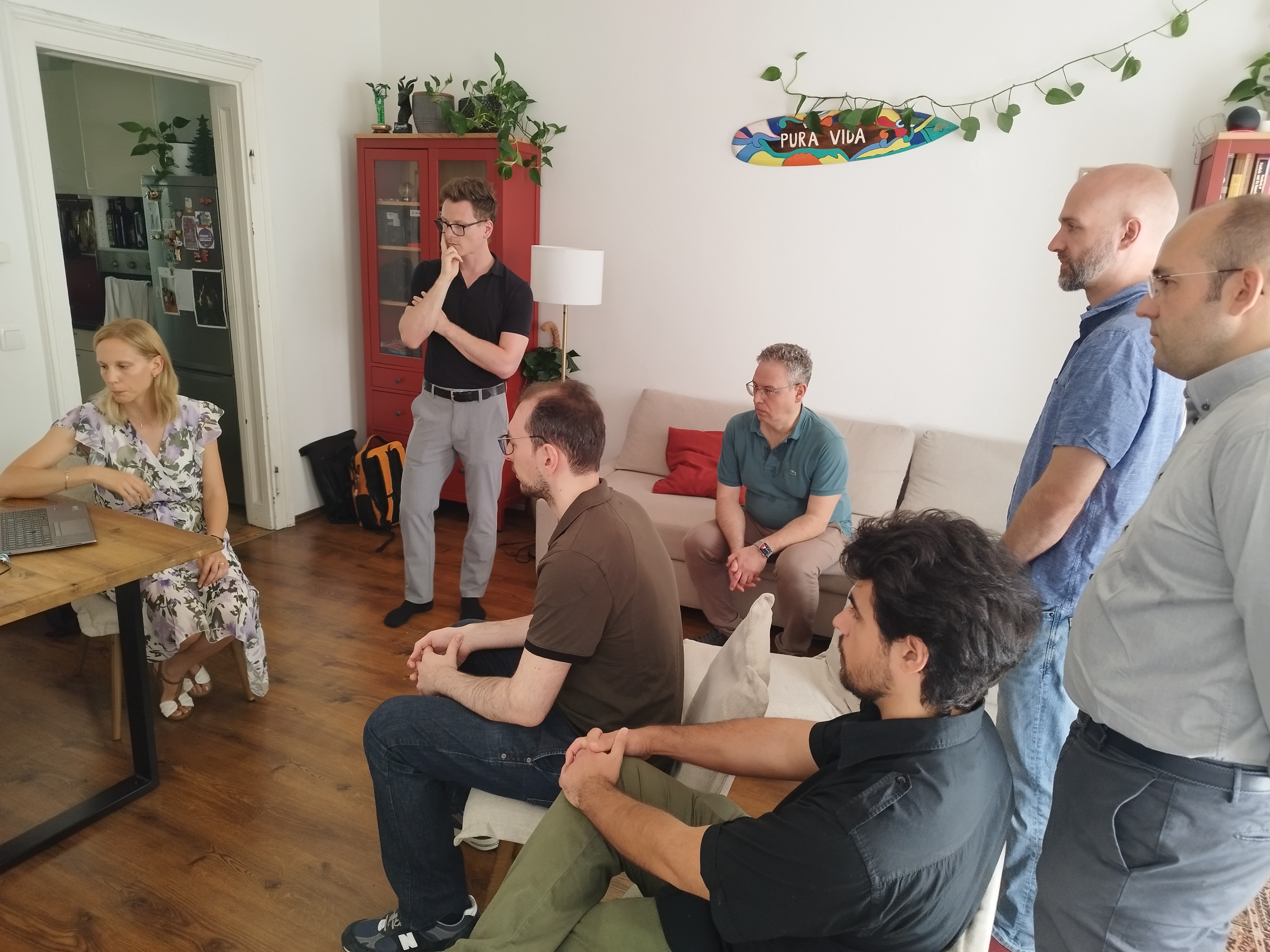
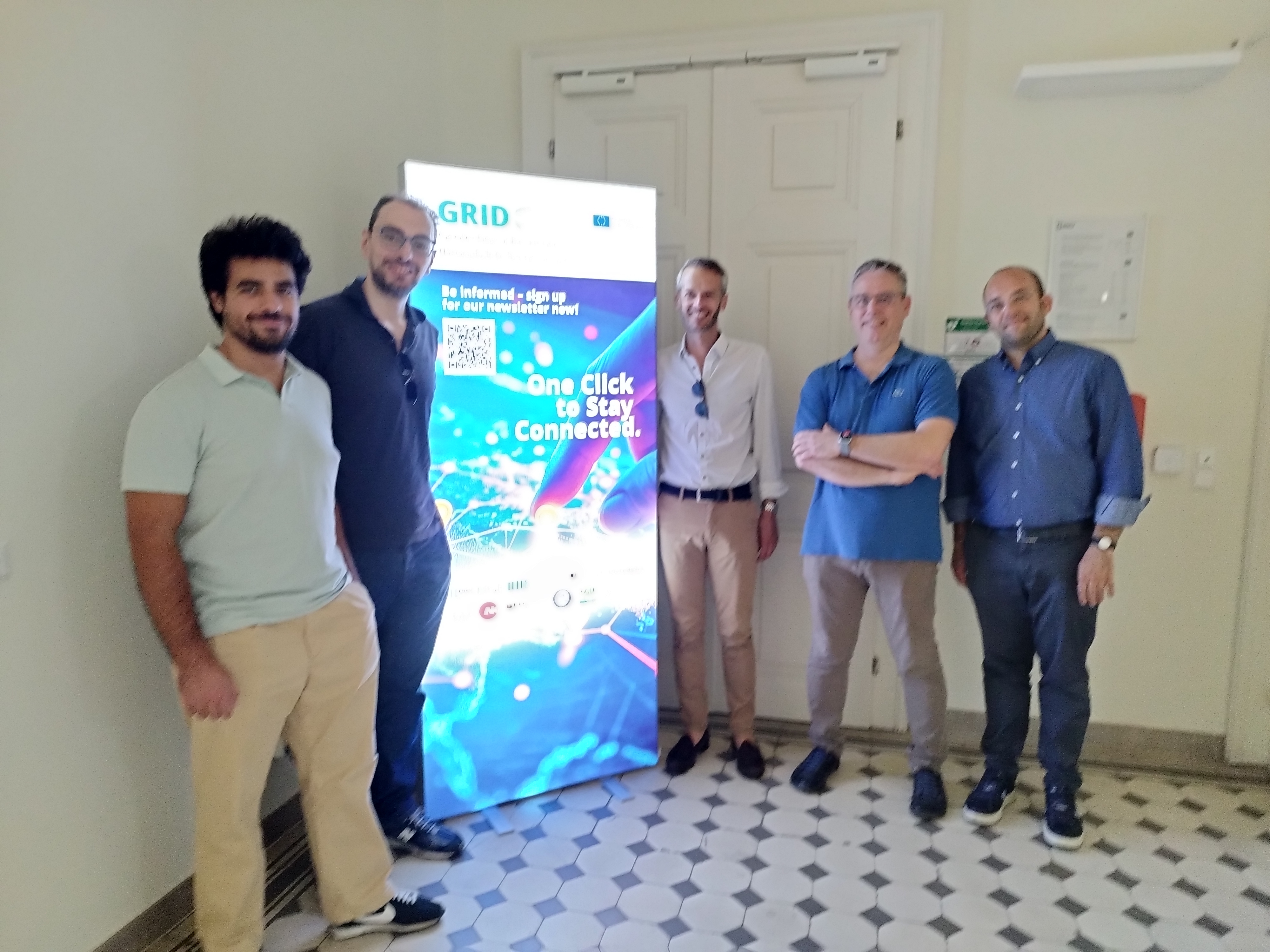
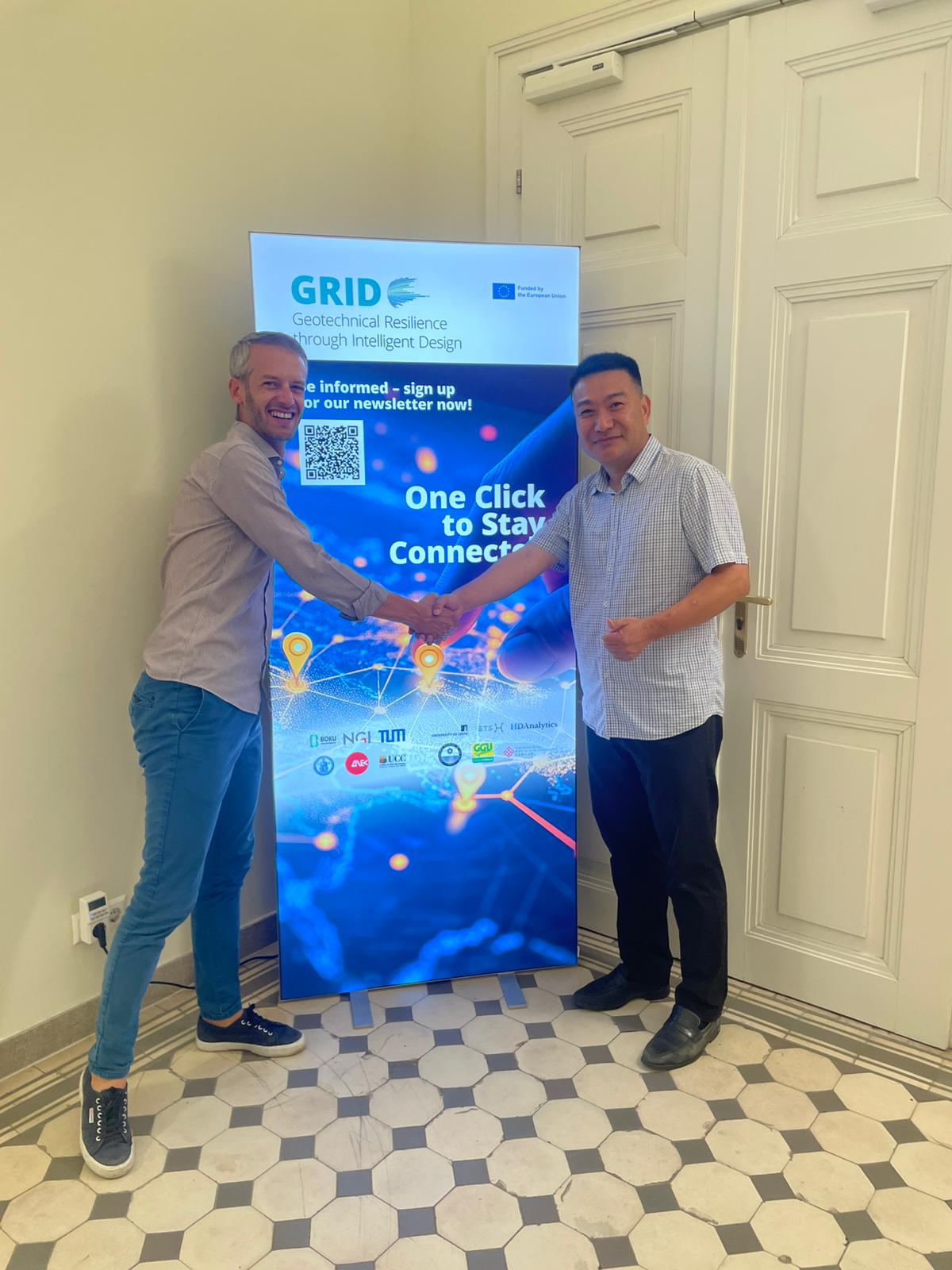
Many GRIDders came to BOKU and were seconded to HDAnalytics, also attending the ICSMGE conference. The group included Bilotta & Falcone (UNINA), Foria & Panico (ETS), Ceccato (UniPD), Mühlmann & Rieser (HDAnalytics), and Zhenyu Yin (PolyU) at BOKU next to our Totem.
A Grant Agreement Amendment was also finalized, welcoming UniPD, UniSafe, SmartG, HPC, OsloMet and Tongji as new partners.
D2.1: Report on statistical models with guideline for uncertainty quantification and risk management strategies, authored by Tiancheng Wang (TUM) with internal review by Enrico Soranzo (BOKU) and Wei Yan (TUM). The methodological foundation for WP2 — Uncertainty.
Read Deliverable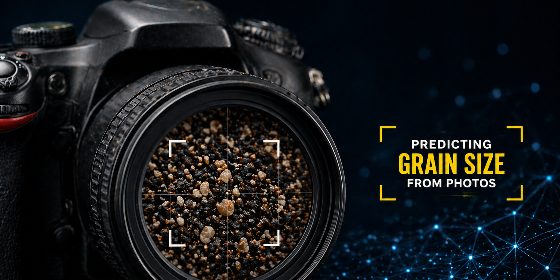
Predict soil grain size distributions from images! $500 in prizes — directly stemming from GRID's WP5 research.
Enter on KaggleMar 10, 2026
Nov 21, 2025
Oct 20, 2025
Mar 02, 2026
Jan 26, 2026
Dec 13, 2024
Nov 26, 2024
Oct 06, 2025
Sep 19, 2025
Aug 28, 2025
Jul 08, 2025
Jan 30, 2025
Apr 13, 2026
Apr 24, 2026
May 6, 2026
// newsletter
Sign up for our quarterly newsletter and never miss an update on research breakthroughs, project milestones, and upcoming events.
// research
// Our multi-disciplinary approach is organized into specialized work packages focusing on distinct aspects of geotechnical resilience.

Curating and standardising high-quality geotechnical data for machine learning.
Probabilistic modeling and variability analysis in soil properties.

Synthetic data generation and design optimization using GenAI.
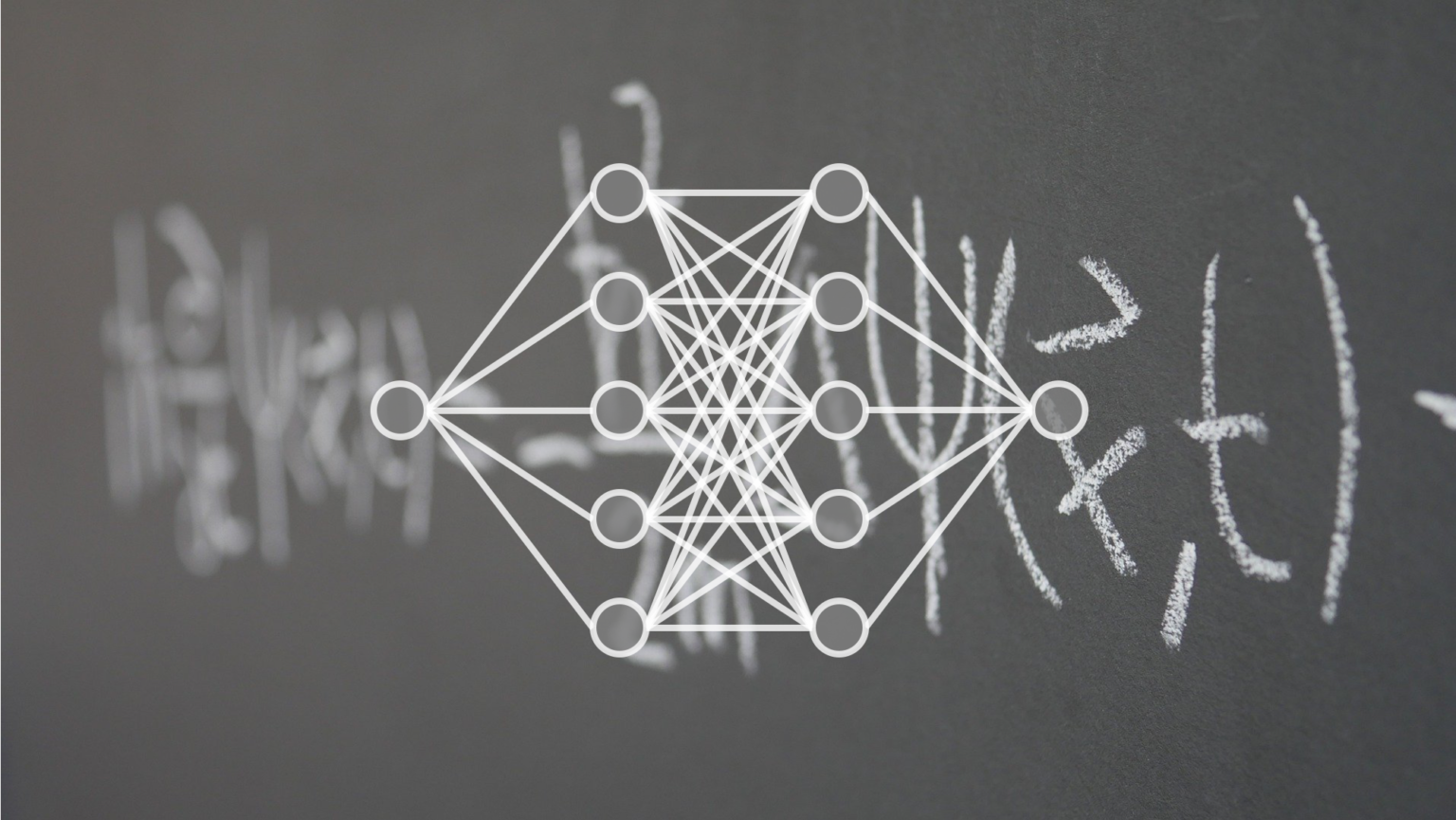
Integrating physical laws into neural networks for geotechnical solution.
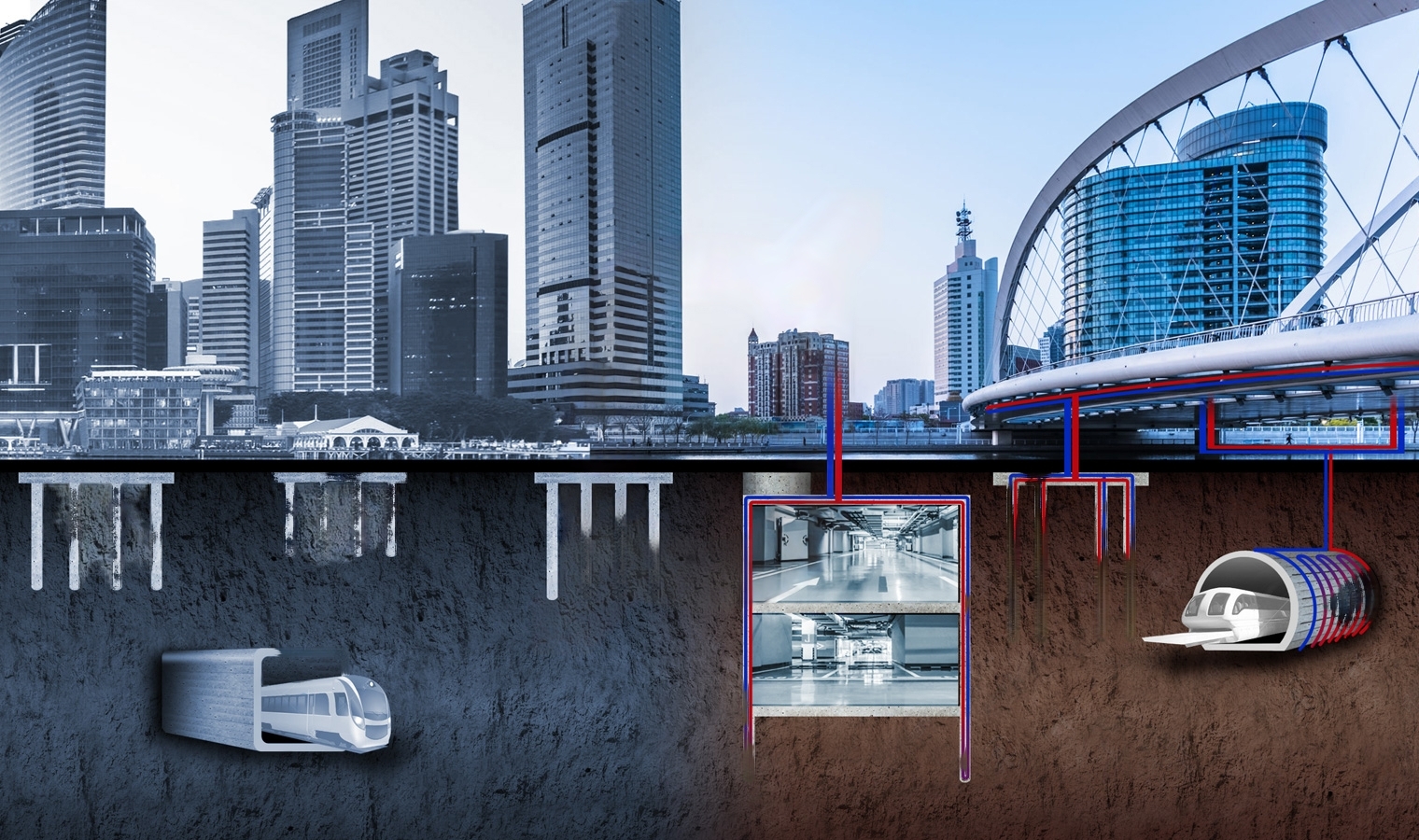
Application to tunnels, foundations, and geohazard mitigation.
Developing transparent AI models for engineering decisions.
// dissemination
// Open access to our research papers, datasets, and interactive tools.
Listen to AI-generated summaries of our research papers via NotebookLM.
// publications
// Explore our research posters and technical presentations shared at international conferences.
// resources
// Download official project materials, newsletters, and competition details.
Predict soil grain size distributions from images! $500 in prizes — directly stemming from GRID's WP5 research.
// team
// world-class experts from leading research institutions and industry leaders.