Bridging geotechnical engineering and Interpretable AI to secure the infrastructure of tomorrow.
Join our Newsletter
Get quarterly research breakthroughs and project updates delivered to your inbox.

Geotechnical engineering faces three inherent challenges: uncertainty, heterogeneity, and nonlinearity. The compounding effects of climate change exacerbate these, impeding traditional approaches in accurately predicting geomaterial behaviour.

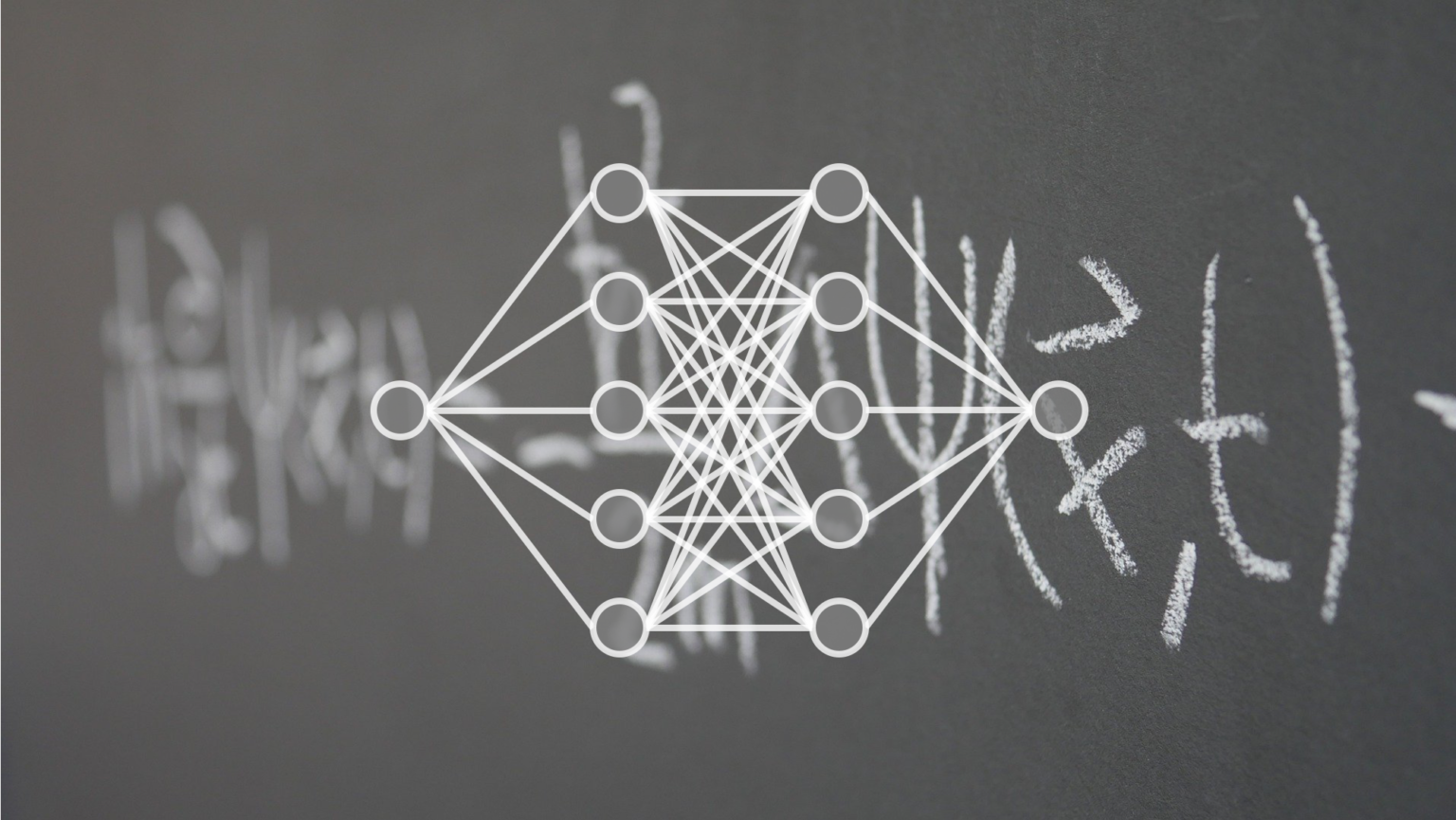
GRID (Geotechnical Resilience through Intelligent Design) advocates for a pioneering approach to fill this knowledge gap, integrating physics and machine learning to design resilient infrastructure and conduct effective risk assessments.
Integrating PINNs and GenAI into standard geotechnical workflows.
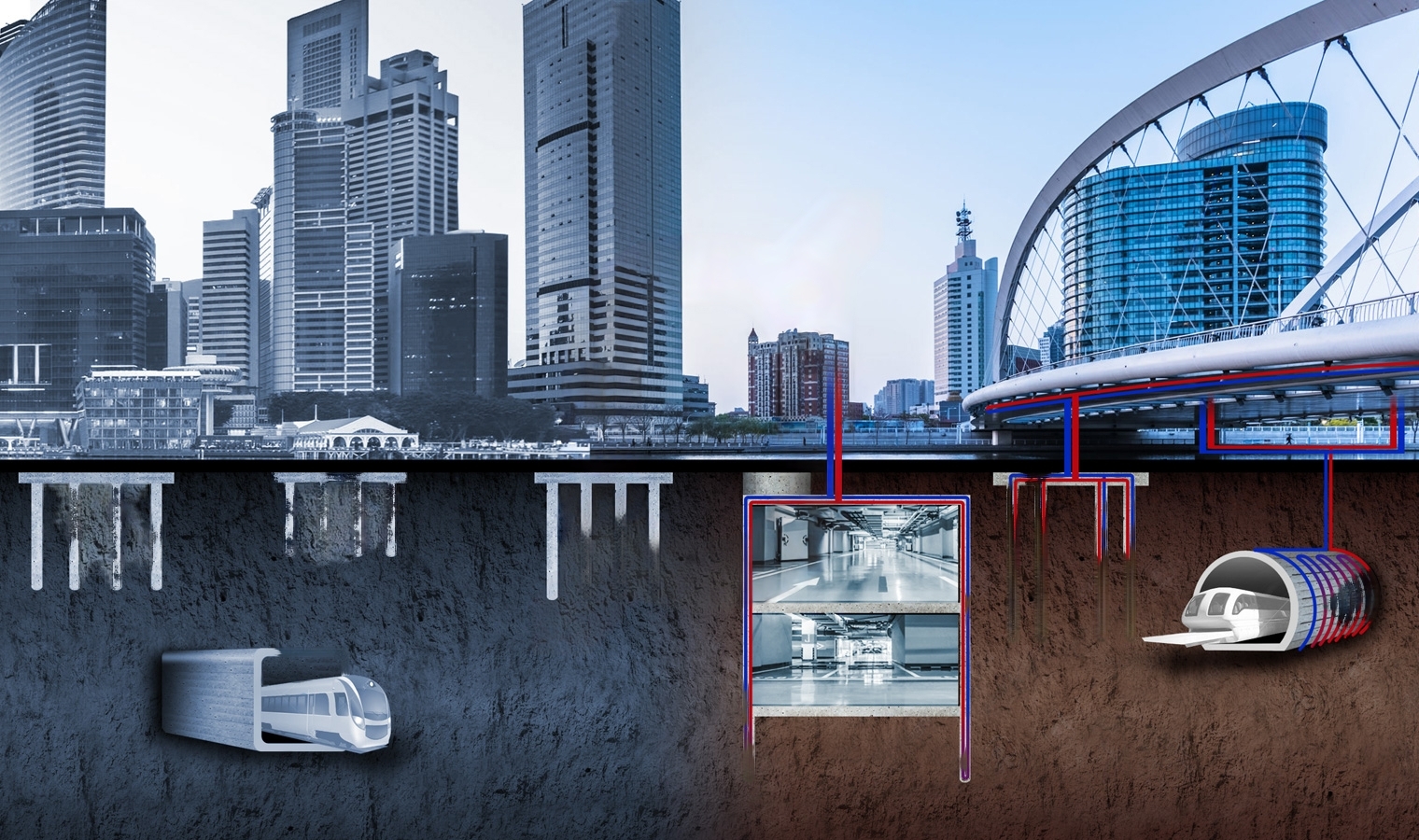
Mitigating risks from geohazards and environmental uncertainty.
Milestones, events, and latest breakthroughs from the GRID consortium.
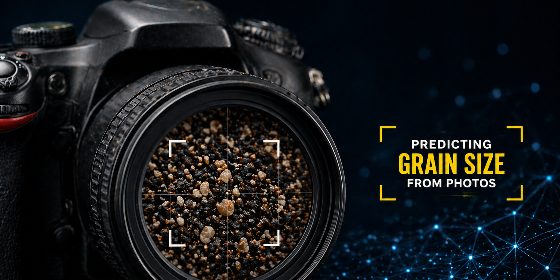
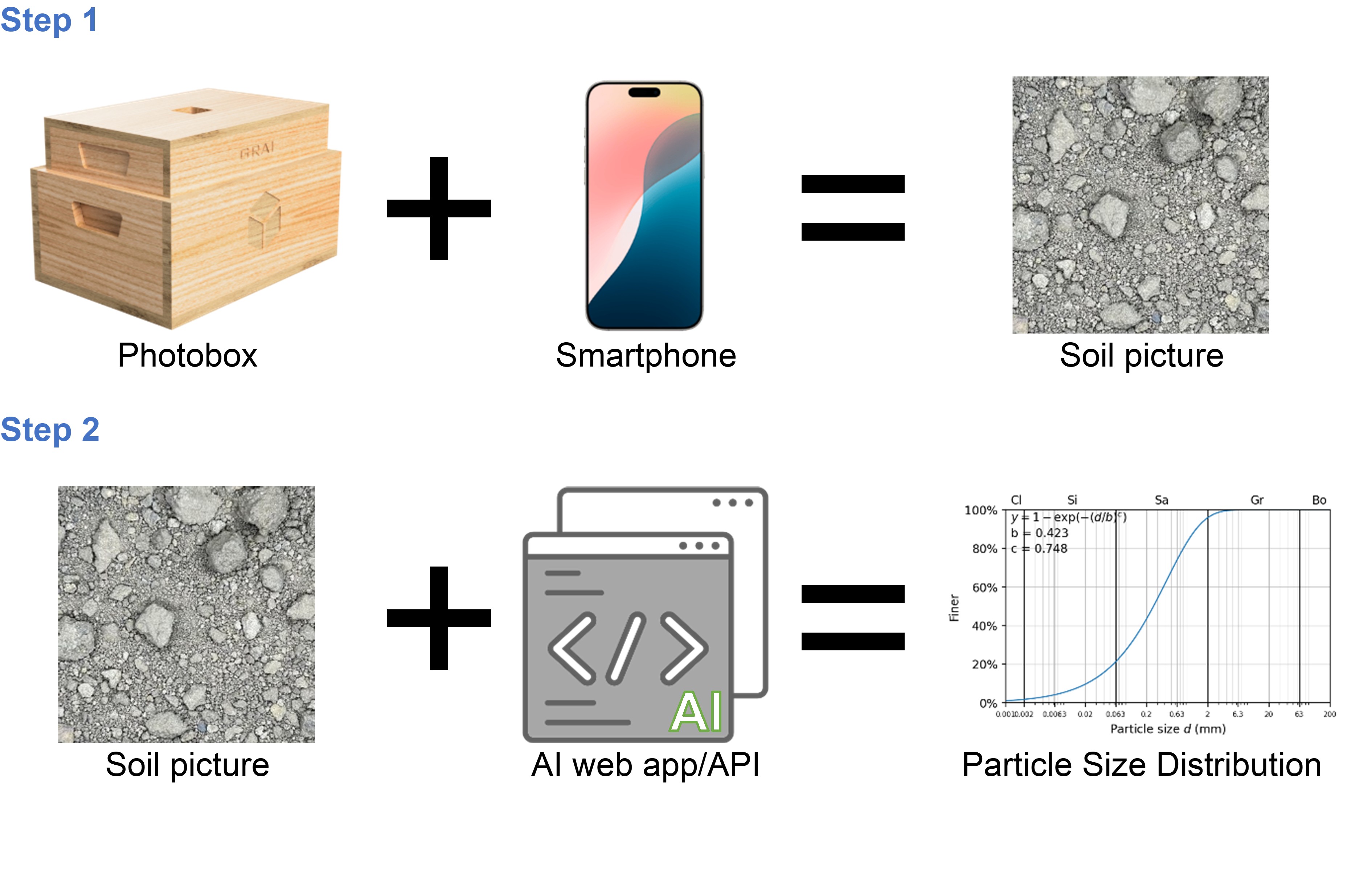
The GRID consortium is proud to announce a new Kaggle competition: Predicting Soil Grain Size Distributions from Images. Participants are challenged to predict the cumulative grain size distribution of soil samples from photographs of their surface — a core challenge at the intersection of geotechnical engineering and machine learning.
This competition directly stems from the GRID project's WP5 research on real-world applications of interpretable AI in geotechnics. $500 in prizes are available — join now and put your machine learning skills to the test!
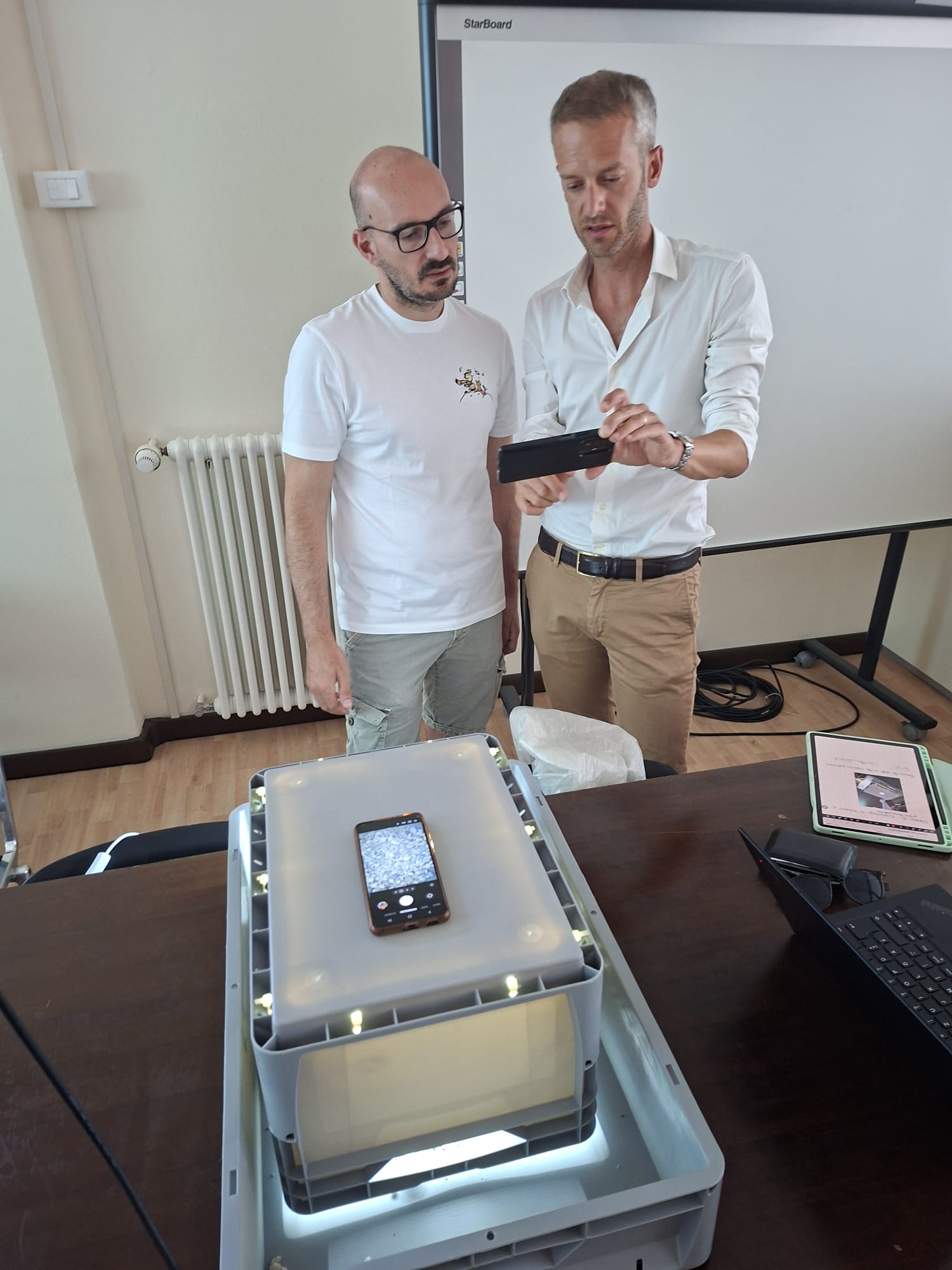
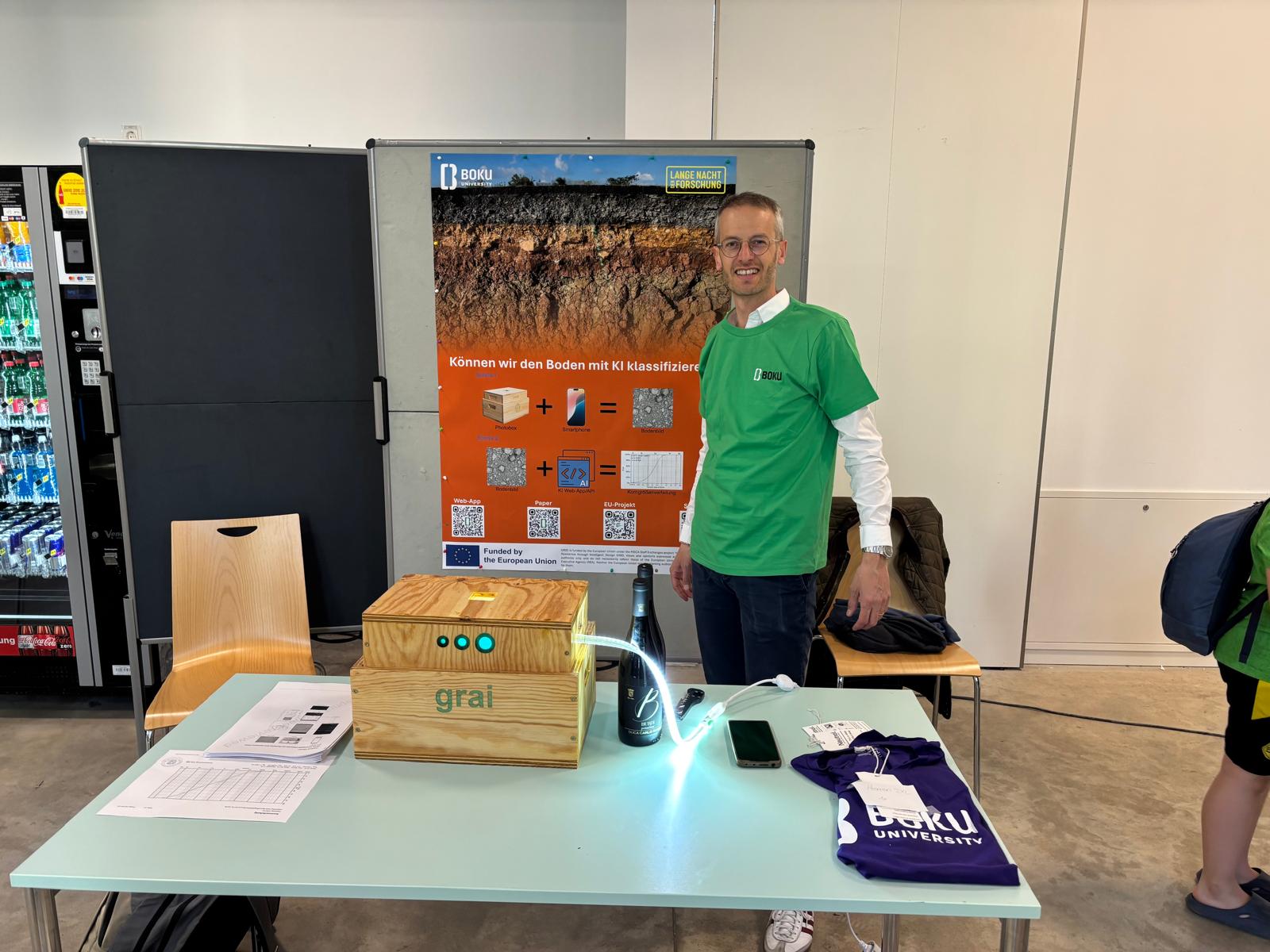
GRID project coordinator Enrico Soranzo took part in the Long Night of Research at BOKU, showcasing the use of AI to predict the particle size distribution of soils through smartphone pictures.
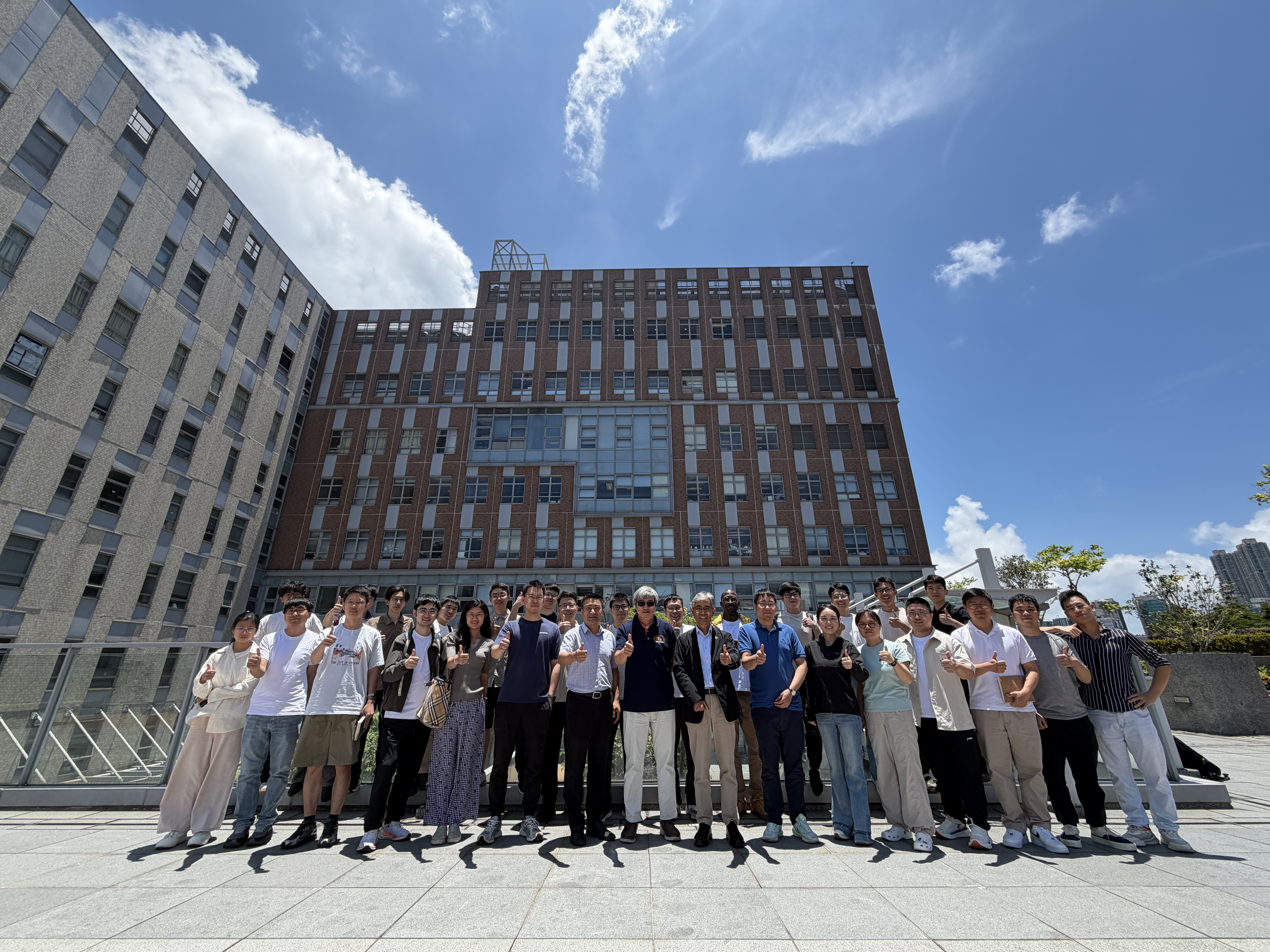
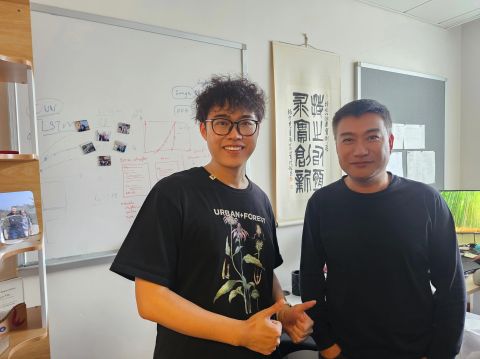
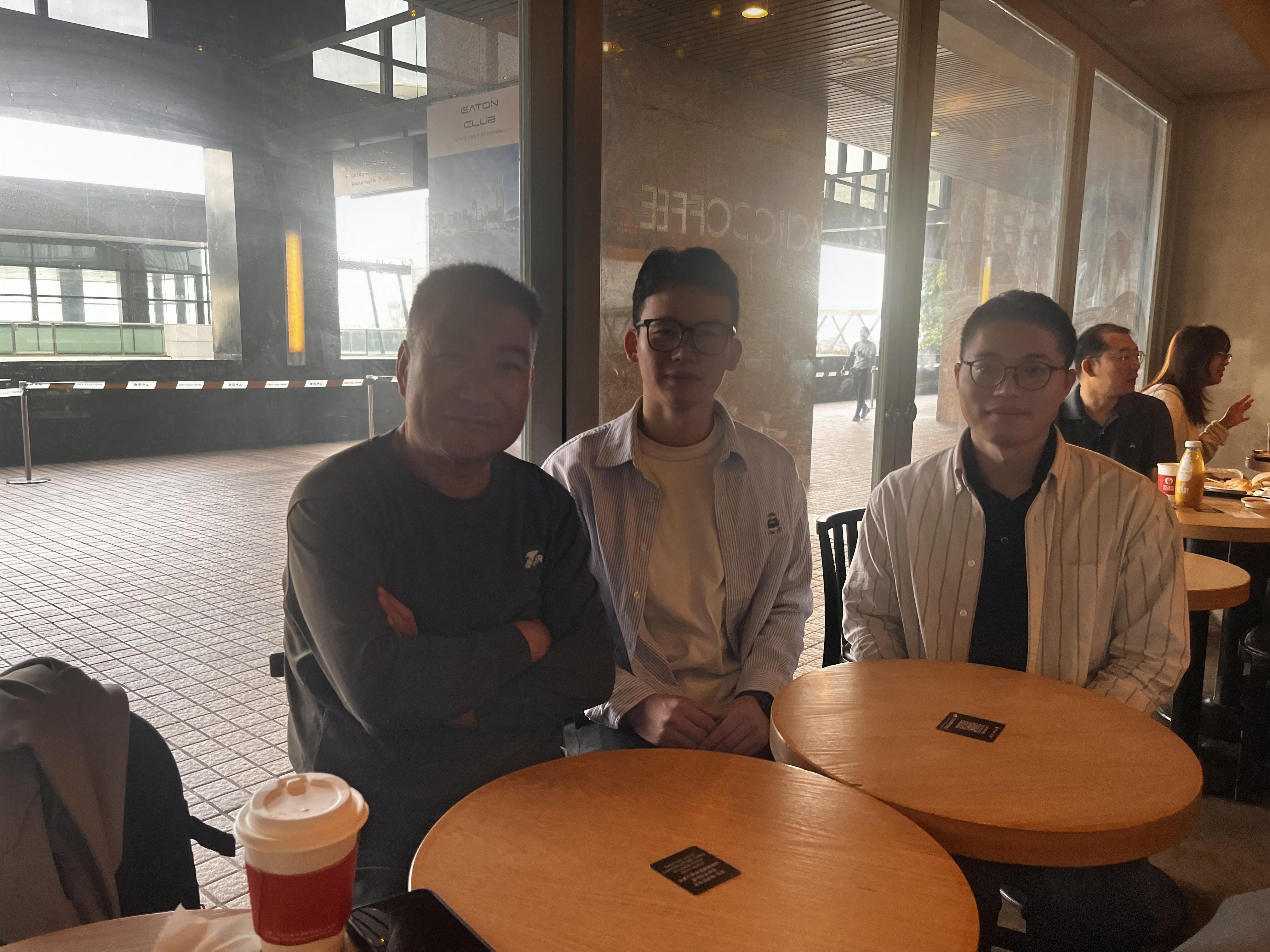
Tiancheng Wang (TUM) and Yianming Xu (BOKU) began their academic exchange at The Hong Kong Polytechnic University, hosted by Prof. Zhen-Yu Yin.
This secondment strengthens collaboration between European and Asian partners, advancing research at the intersection of geotechnical engineering and interpretable AI.
deepsoil.at revolutionizes geotechnical soil analysis using AI - the grai technology determines soil particle size distribution directly from smartphone images.
Visit deepsoil.at
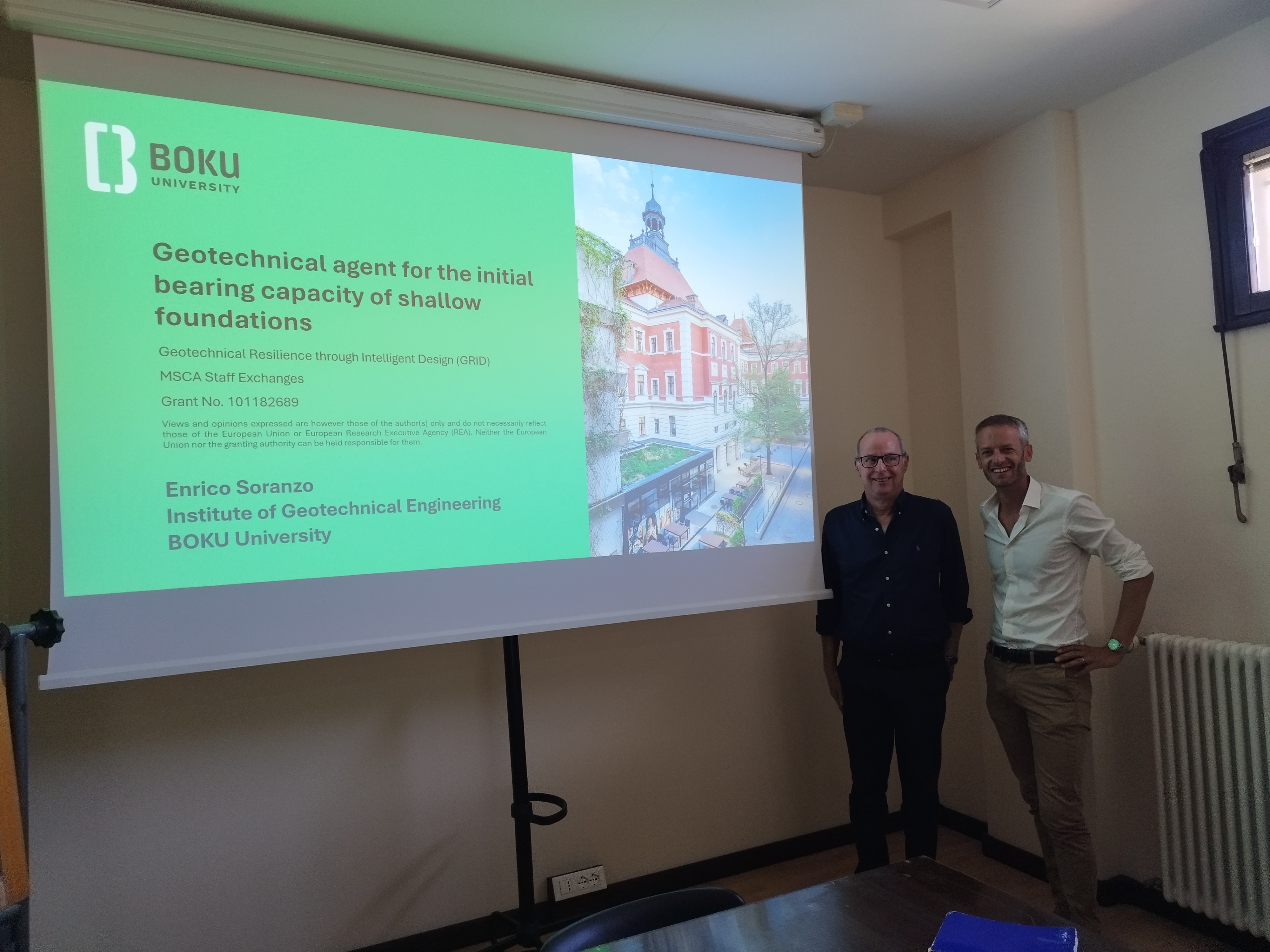
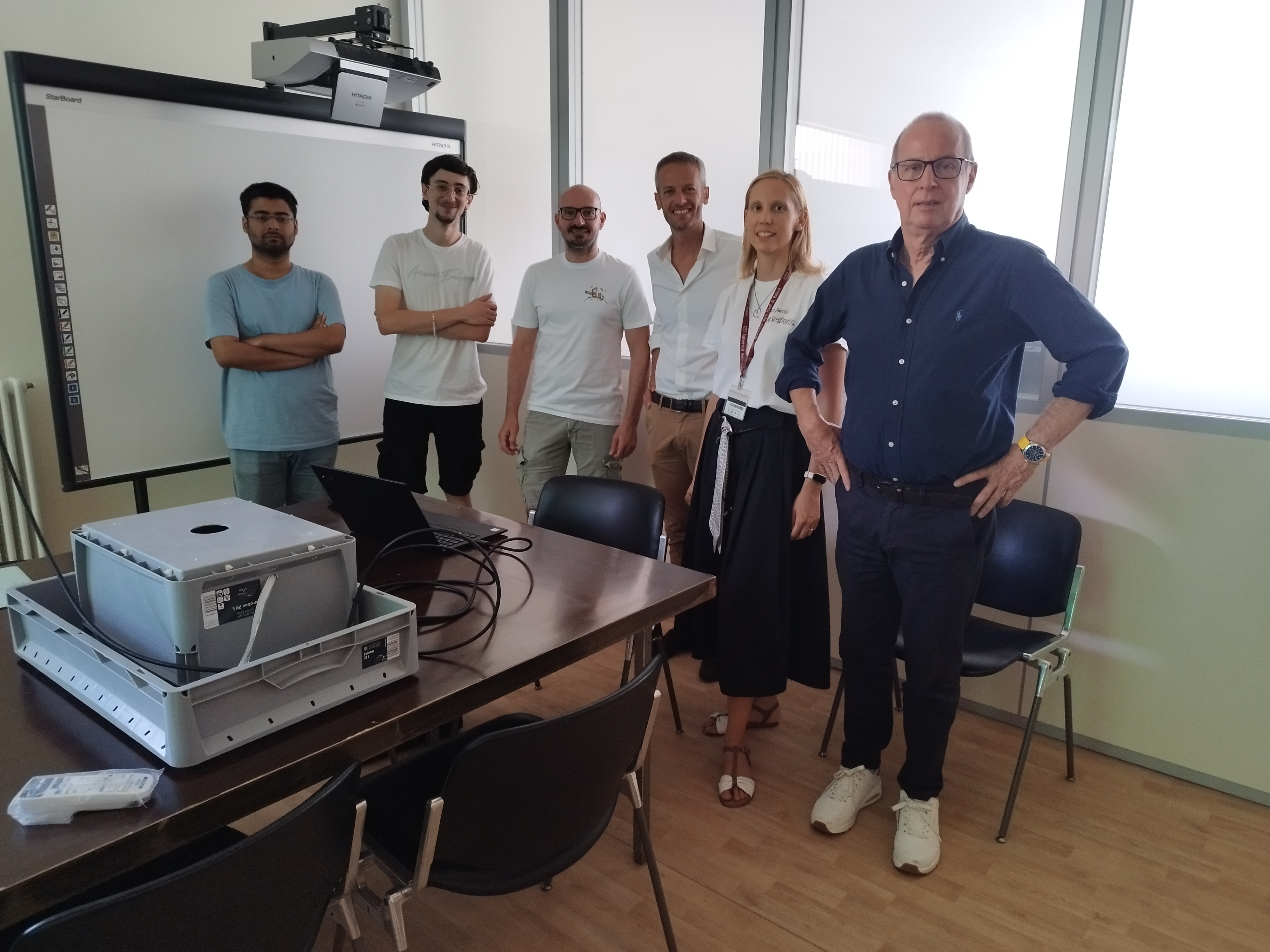
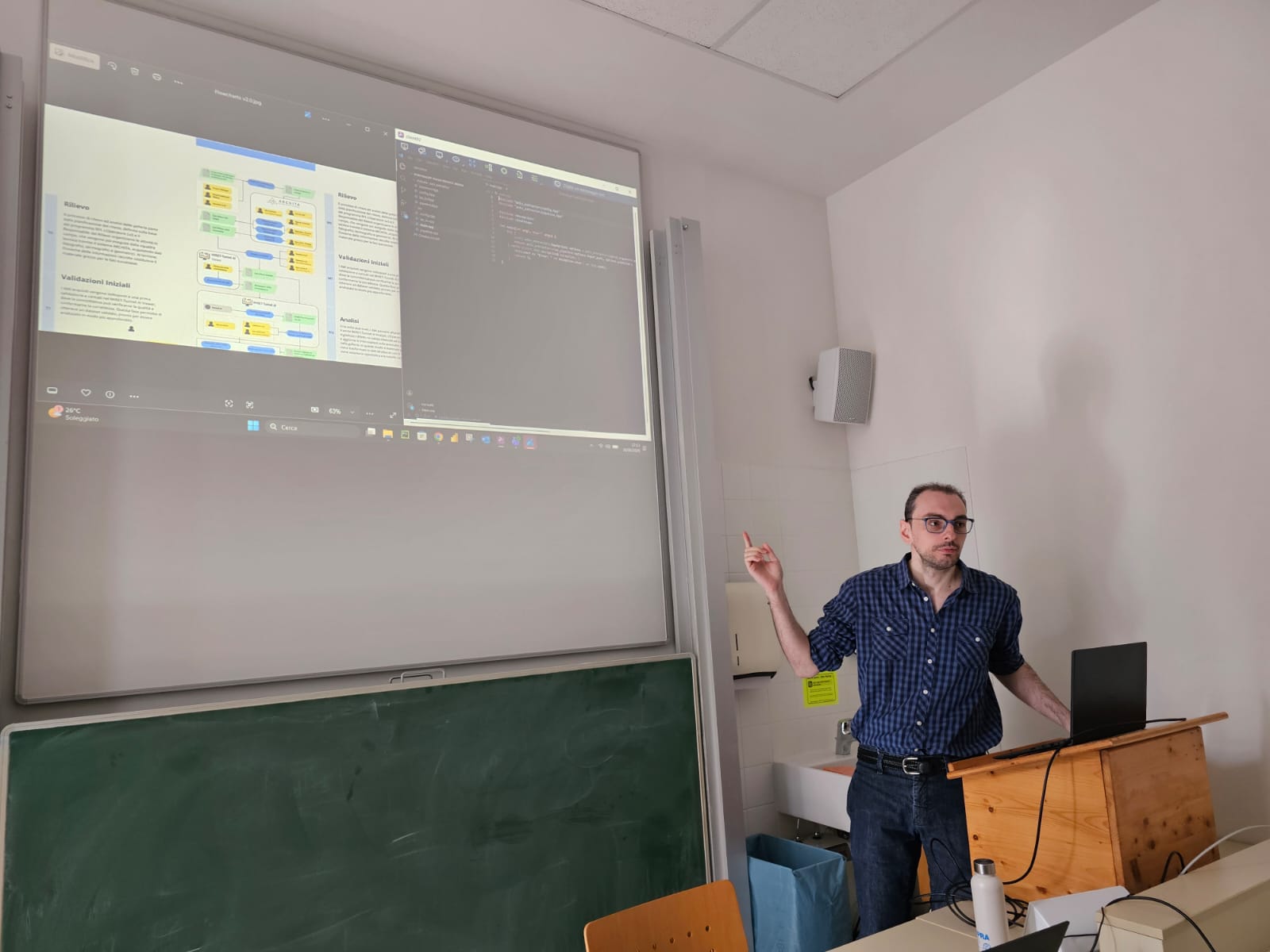
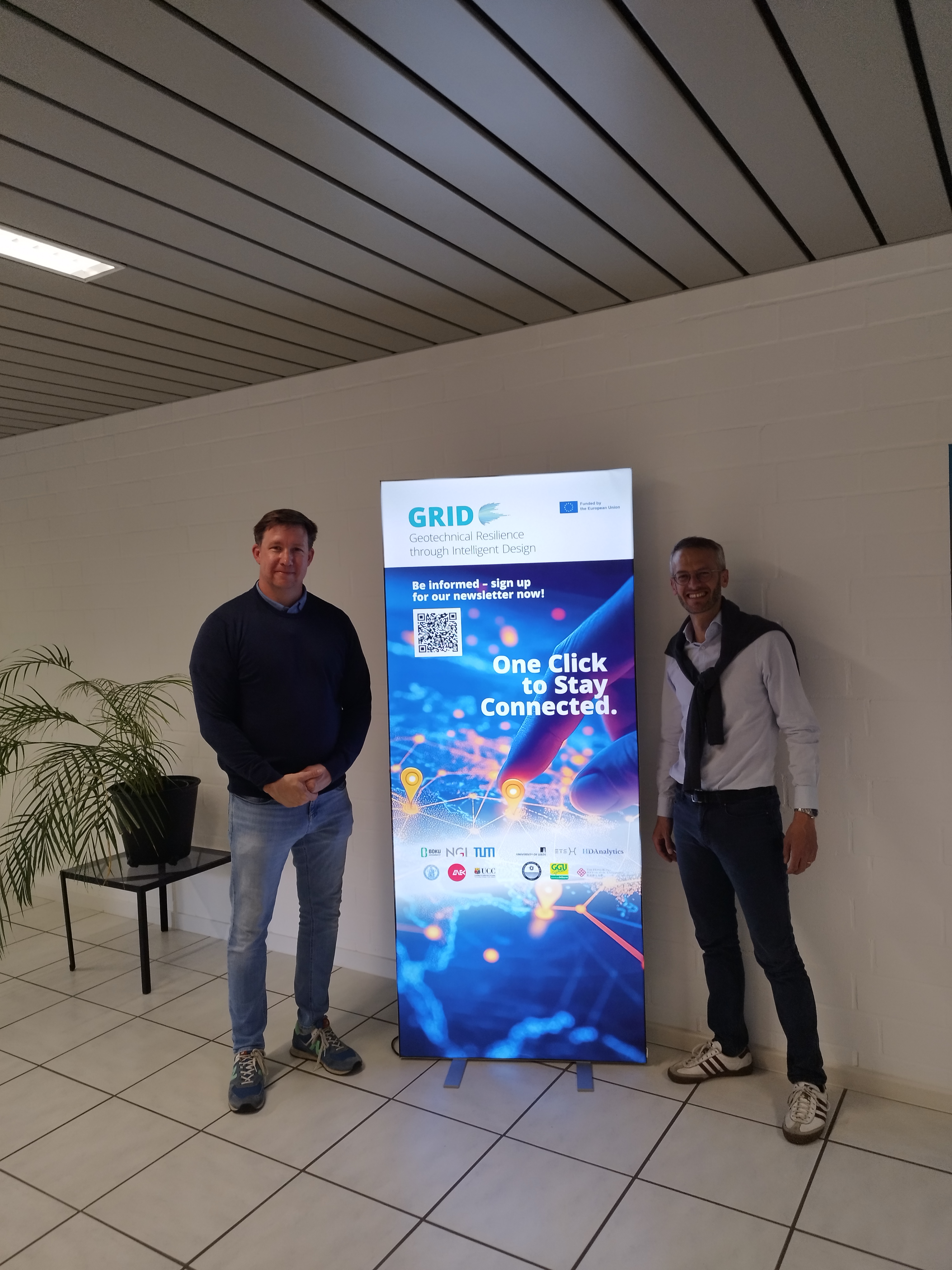
BOKU welcomed ETS representatives Federico Foria, Mario Calicchio, and Francesco Panico for an intensive collaboration meeting. Enrico Soranzo delivered ML training to the ETS team.
A highlight was the meeting with Prof. Konrad Bergmeister, former CEO of the BBT project, discussing WP5 applications for tunnelling.
We're excited to share the newest edition of the GRID Newsletter including Yanjie Song's PINNs for PDE solution and the GRID student contest updates.
Read PDF
Leeds fellow Yanjie Song presented "Loss-Attentional and Time-Attentional AI Model for Solving PDE Problems," a highlight of WP4.
The project participated in sessions at the FOMLIG Workshop in Florence, exploring topics like LLMs for landslides and AI in geotechnical education.
Mar 02, 2026
Jan 26, 2026
Dec 13, 2024
Nov 26, 2024
Oct 06, 2025
Sep 19, 2025
Aug 28, 2025
Jul 08, 2025
Jan 30, 2025
Sign up for our quarterly newsletter and never miss an update on research breakthroughs, project milestones, and upcoming events.
Our multi-disciplinary approach is organized into specialized work packages focusing on distinct aspects of geotechnical resilience.
Curating and standardising high-quality geotechnical data for machine learning.
Probabilistic modeling and variability analysis in soil properties.
Synthetic data generation and design optimization using GenAI.
Integrating physical laws into neural networks for geotechnical solution.
Application to tunnels, foundations, and geohazard mitigation.
Developing transparent AI models for engineering decisions.
Open access to our research papers, datasets, and interactive tools.
Listen to AI-generated summaries of our research papers via NotebookLM.
Explore our research posters and technical presentations shared at international conferences.
Comprehensive overview of the GRID project objectives and early findings presented at GMK 2025.
View PosterPortable smartphone-based soil particle size distribution using interpretable AI.
View PresentationIntegrating artificial intelligence with physical principles to enhance safety in pile driving operations.
View PresentationInnovative mobile solutions for soil grain size distribution analysis using digital imaging.
View PresentationAccelerating 3D consolidation simulations using Physics-Informed Neural Networks.
View PresentationPhysics-informed approaches to overcome challenges in geotechnical modeling with limited data.
View PresentationInvestigating the microscopic structural changes that lead to geotechnical failures.
View PresentationDownload official project materials, newsletters, and competition details.
Participate in the global Machine Learning contest for soil shear prediction. Winners announced in Graz, Oct 2026.
World-class experts from leading research institutions and industry leaders.